Tree Service Knoxville TN – Our Work, Real Jobs, Real Results
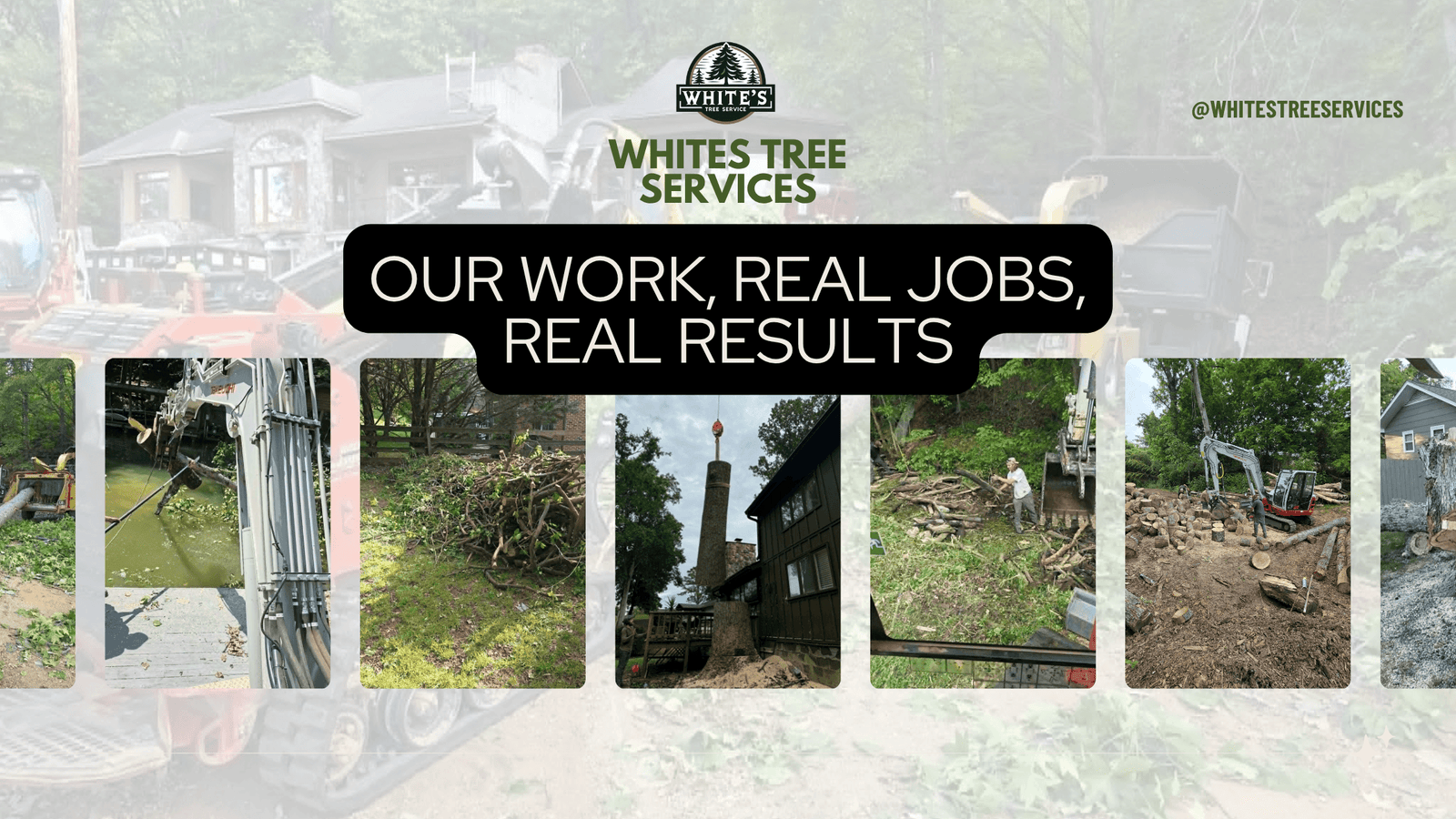
We spend a lot of time out in the field — on residential properties in West Knoxville, along rural roads in Loudon County, on steep wooded hillsides in the foothills of East Tennessee, and on commercial parcels that haven’t seen a chainsaw in years. Most of what we do never gets photographed. Jobs get done, yards get cleared, and we move on to the next one. But over the past couple of years we’ve been better about pulling out the camera, and this post is the result of that — a straight-forward look at real work our crew has completed across Knoxville TN, Lenoir City, Knox County, and the wider East Tennessee area.
There’s no particular order to this gallery. You’ll find everything from single-tree residential removals and emergency storm response calls to large-scale land clearing projects that took our full equipment fleet several days to finish. We’ve included photos from every type of job we do because the reality is that no two tree service calls are the same — the equipment changes, the terrain changes, the risk profile changes, and the approach has to change with it.
If you see a job in here that looks similar to something you’re dealing with on your own property, that’s the point. We want you to be able to look at this and have a realistic sense of what the process looks like and what we bring to it.
Tree Removal Across Knoxville TN — From Single Trees to Full Site Clearance
Tree removal in Knoxville is not a one-size-fits-all job. A dead oak overhanging someone’s back porch in Farragut is a completely different problem from a stand of large hardwoods on a wooded lot being cleared for construction in Powell. The basics are the same — get the tree down safely, process the wood, chip the debris, haul everything away — but the equipment, the sequence, and the level of risk management involved can vary enormously.
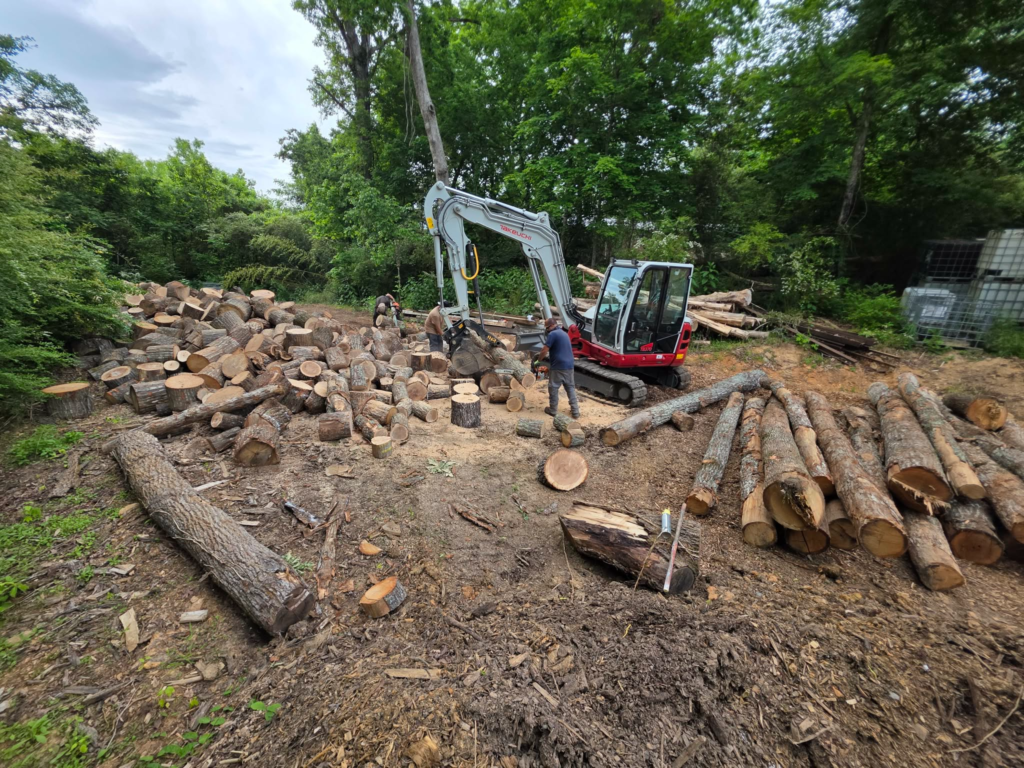
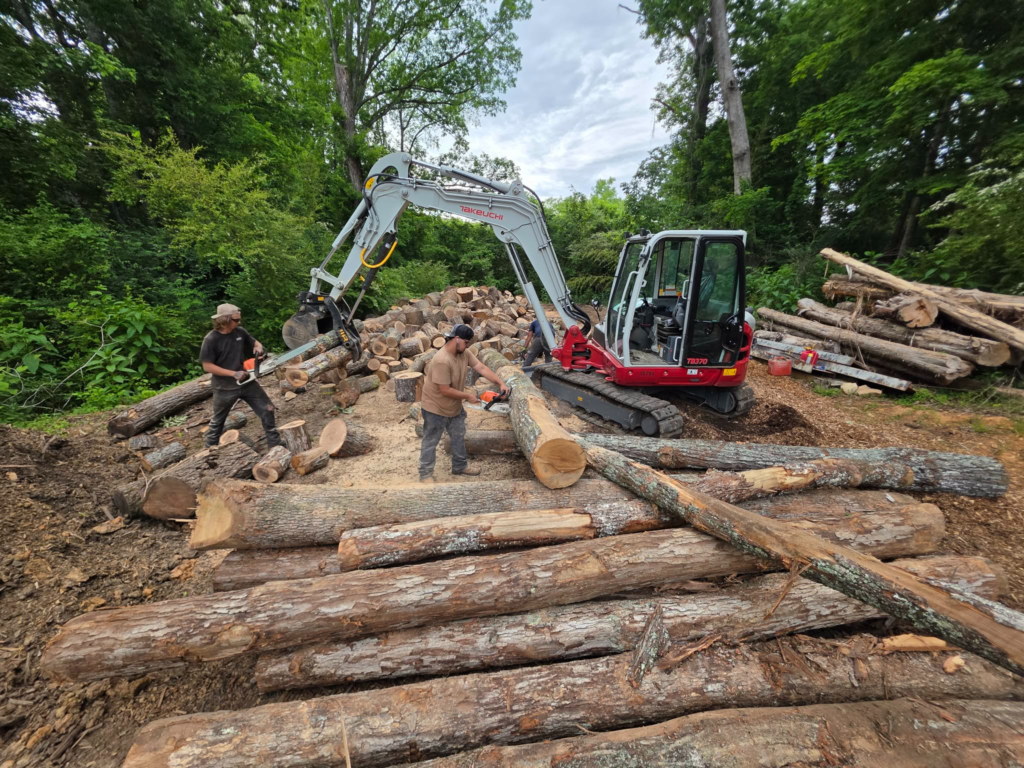
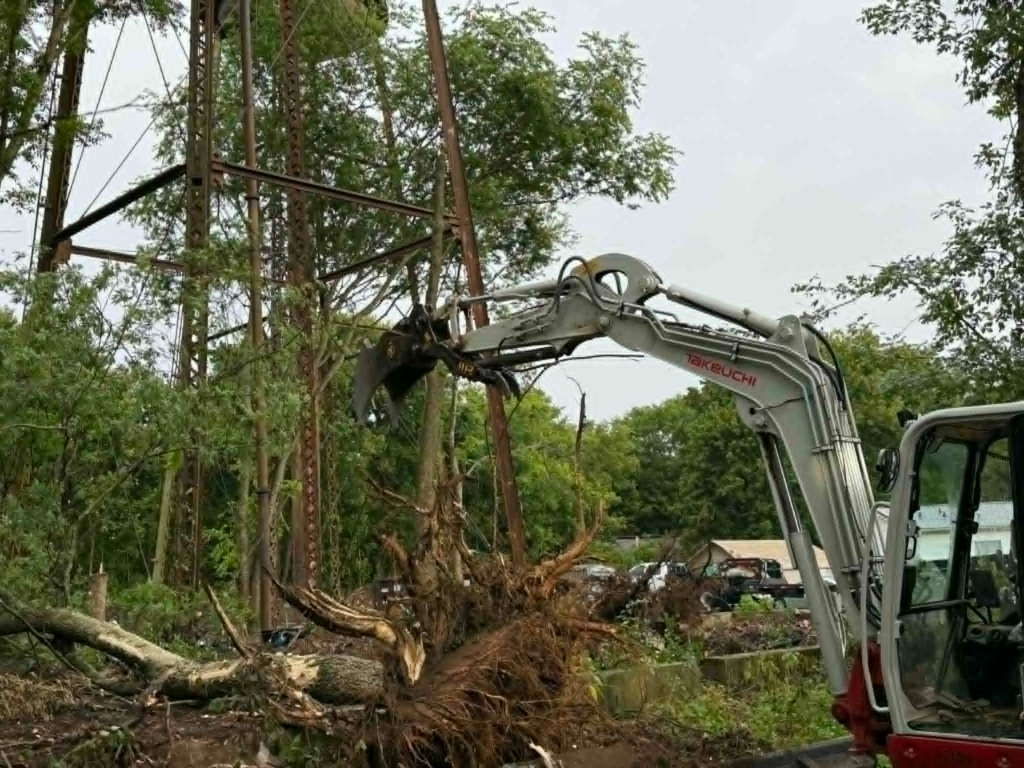
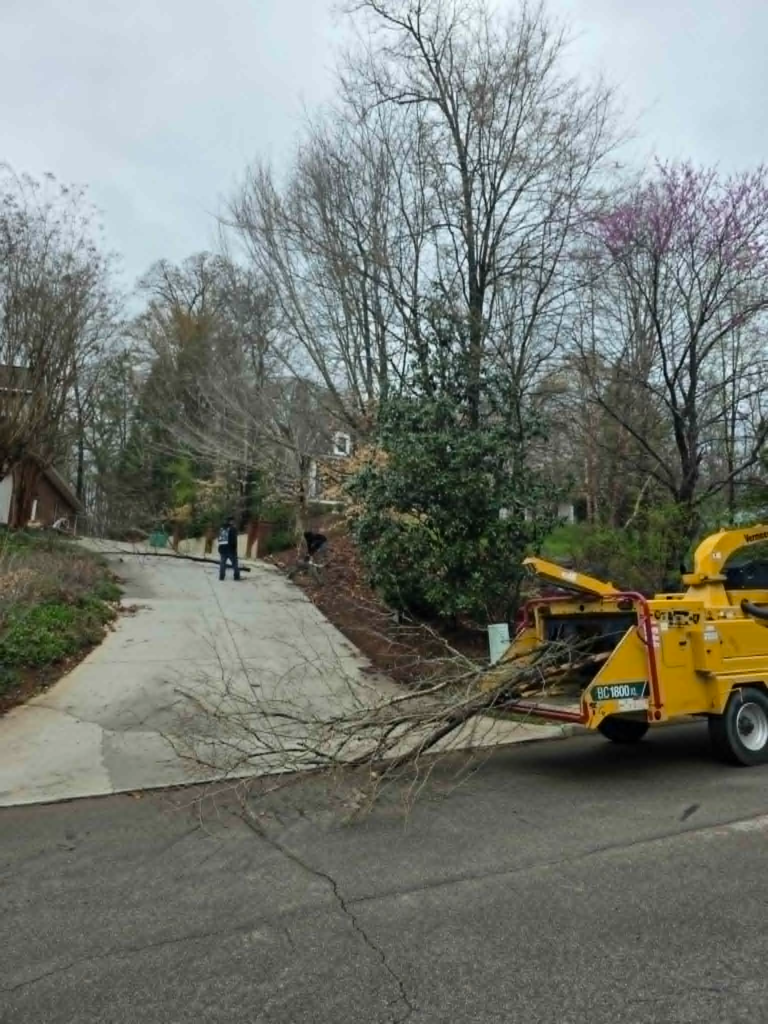
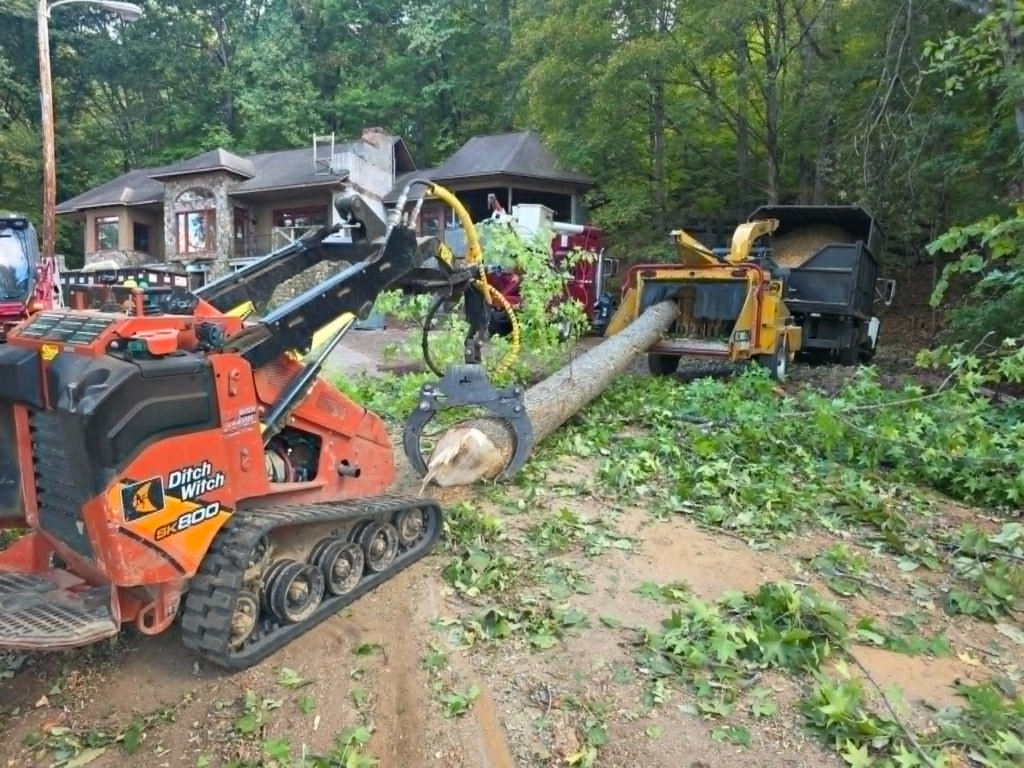
For most residential removals, we work with a combination of chainsaw operators and a compact excavator or skid steer. The excavator does more than most people expect — it can grip and hold a section of trunk while it’s being cut, preventing unpredictable movement, and it can move logs that would take four people to lift by hand. On bigger commercial jobs or densely wooded parcels, we run multiple machines at once and can process a remarkable volume of wood in a single day.
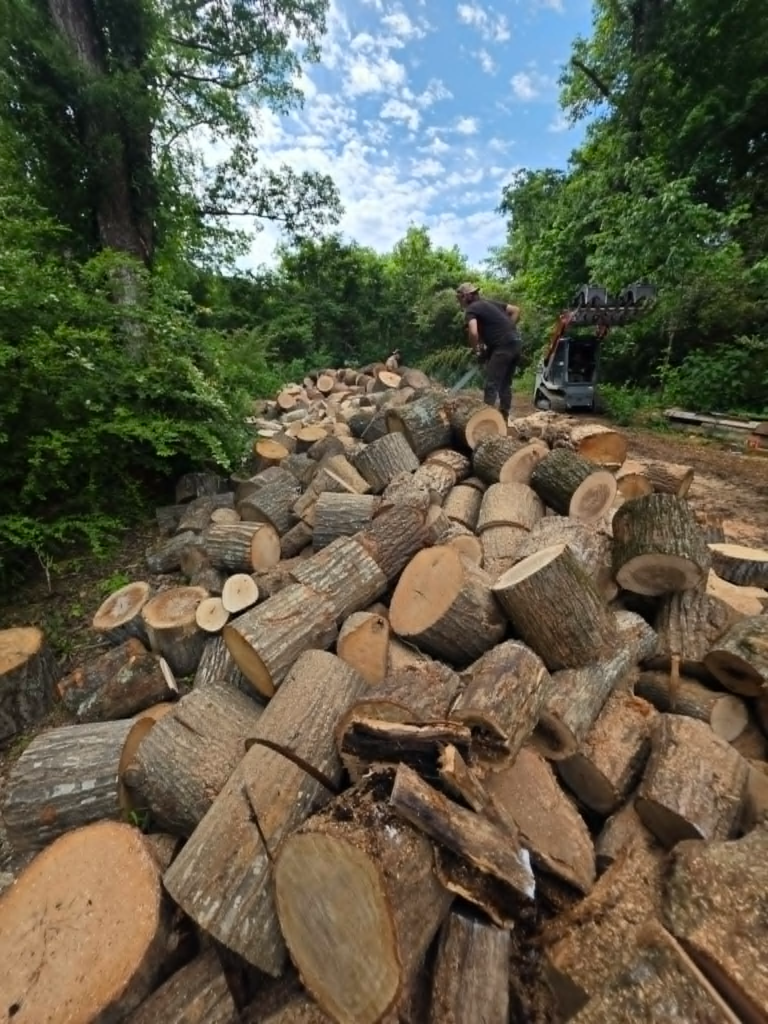
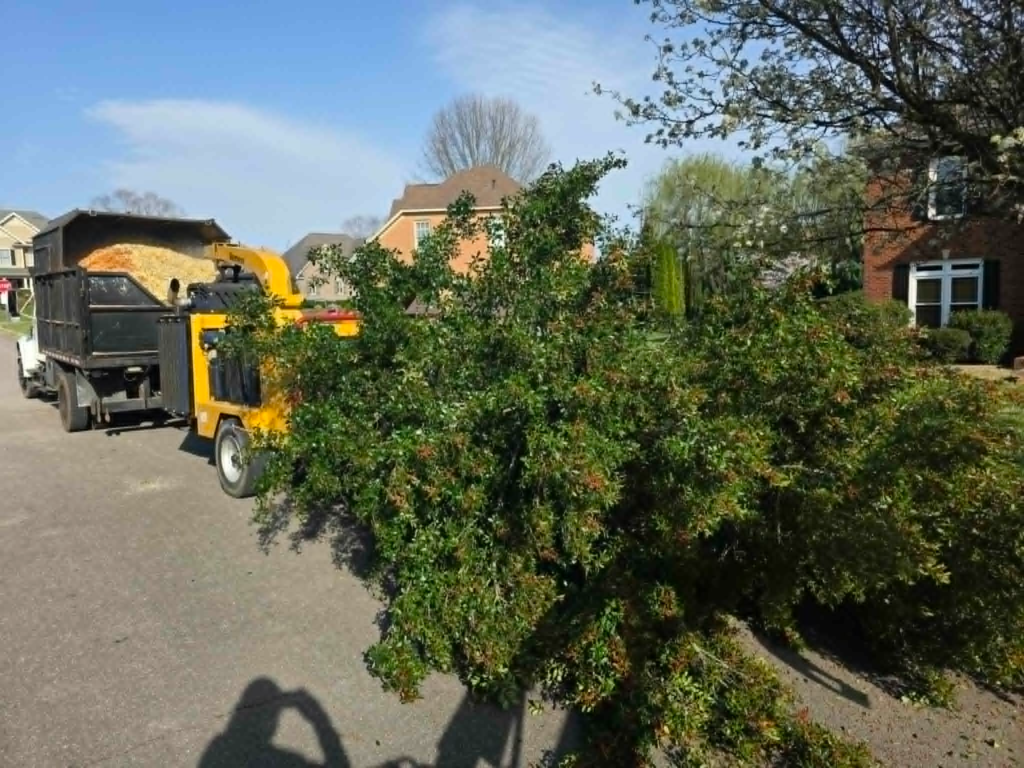
One question we get regularly is what happens to the wood after a tree comes down. The short answer is that it depends on the job. Smaller branches and brush get fed through the chipper and hauled away as mulch. Larger logs get processed on site — either cut to firewood length for the homeowner to keep if they want it, or loaded and hauled. If you’re ever interested in keeping the wood from a removed tree, just let us know before the job starts and we’ll work around that. We also sell seasoned firewood from removed trees if you’re looking for a supply heading into fall or winter.
Before and After — What a Tree Removal Actually Looks Like From Start to Finish
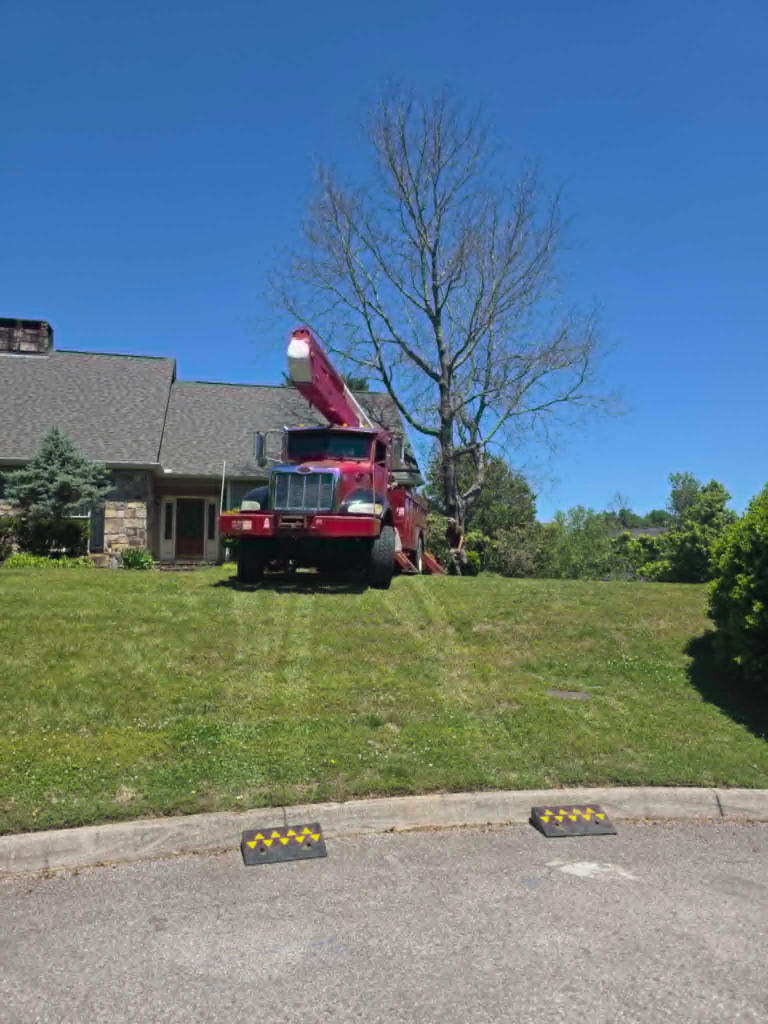
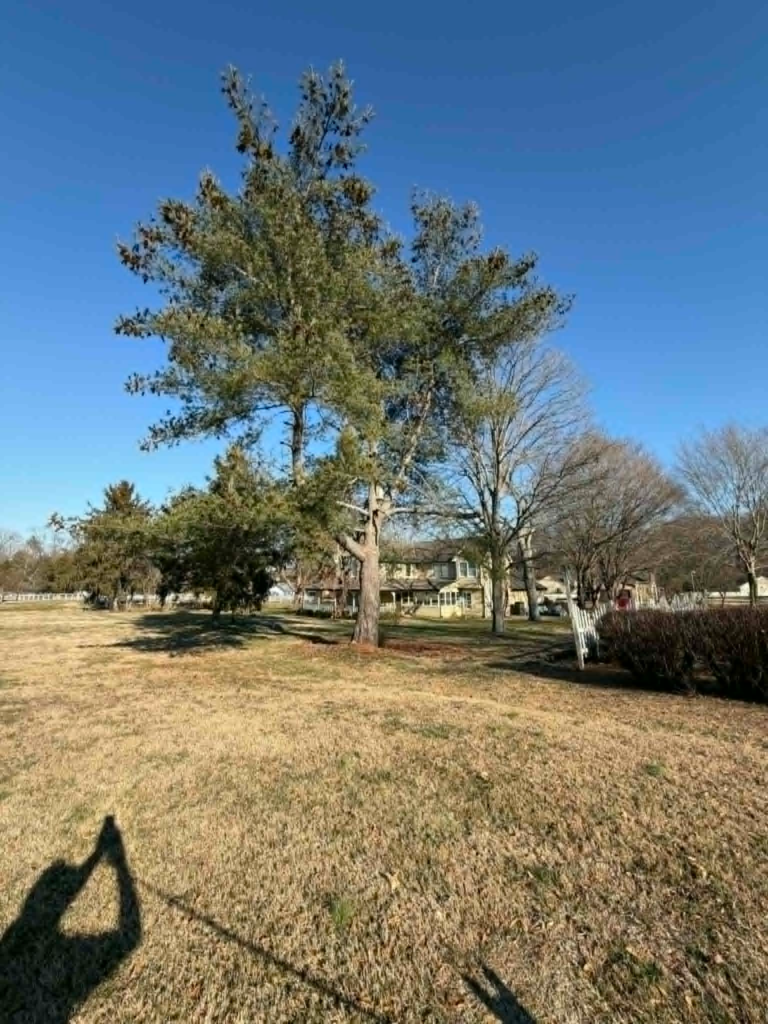
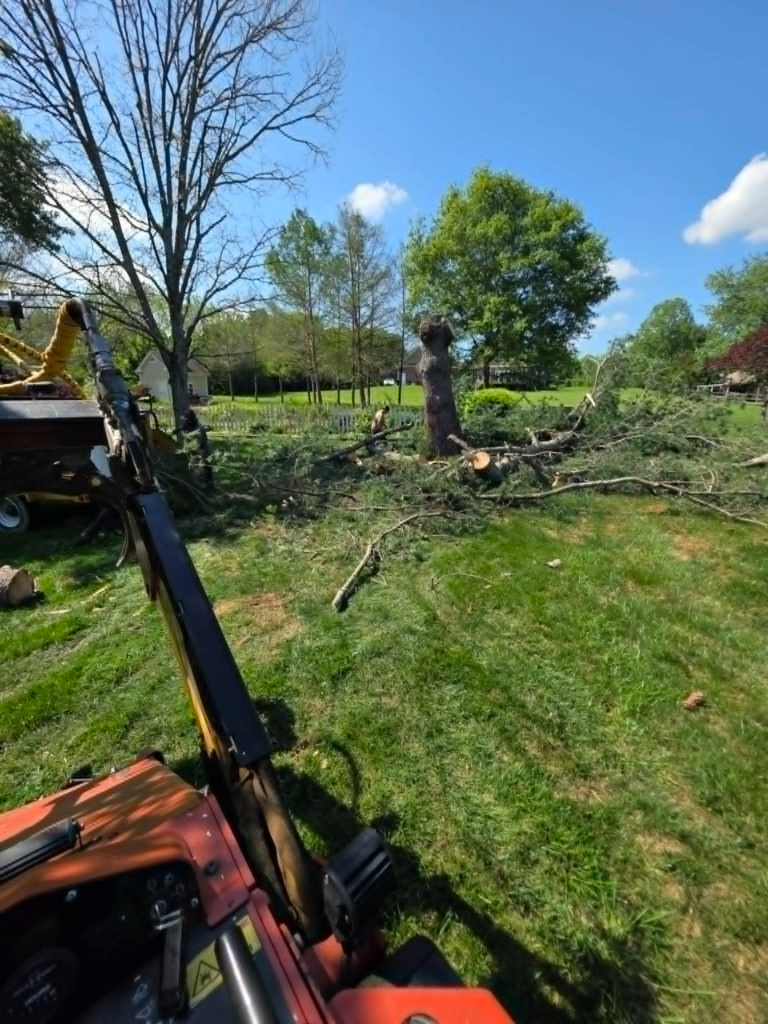
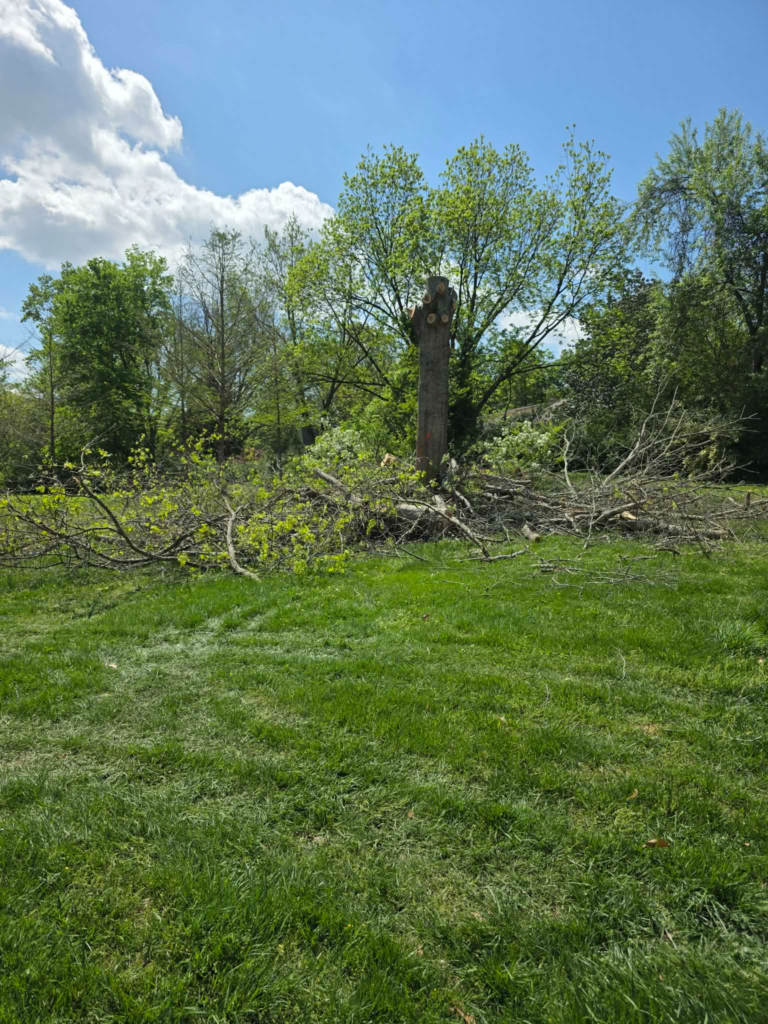
People sometimes ask us what the process looks like on a residential removal job from beginning to end. The sequence varies depending on the tree and the site, but here’s a real example — a large pine tree on a residential property in Knoxville TN that needed to come down due to declining health and proximity to the home’s roofline.
We assessed it during an estimate visit, confirmed the tree had significant die-back in the upper canopy and was showing bark splitting at the base. The homeowner had been watching it decline for about two years. By the time we showed up to do the job, the decision was clear.
Emergency Storm Damage — What We See After a Bad Night in East Tennessee
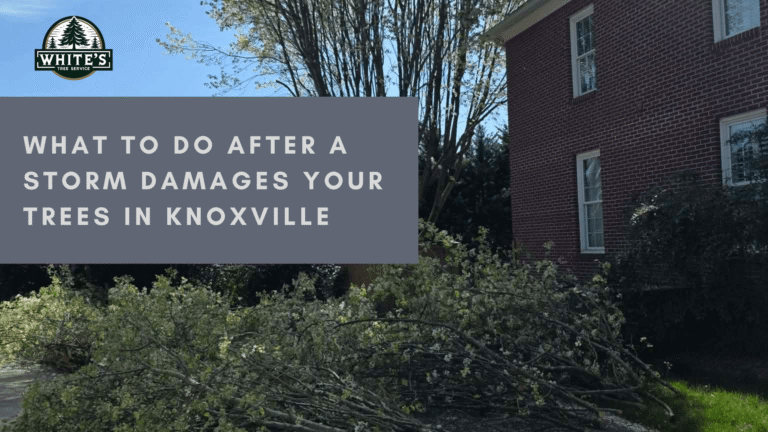
East Tennessee gets its share of severe weather. Spring storms, summer thunderstorms, and the occasional ice event in winter can take down trees that have been standing for a hundred years. When that happens, the call usually comes in early in the morning — sometimes before dawn — and we try to get crews moving as fast as we reasonably can.
Storm tree removal is the part of our work that carries the most variables. You don’t always know what you’re walking into until you get there. A tree that looks like it just fell in a yard might be holding tension against a structure, might be resting on a live power line, or might have its root system partially underground in a way that will make it roll unexpectedly when cut. The assessment process before any cutting starts is not optional — it’s how we stay safe and keep the homeowner’s property from getting more damaged than it already is.
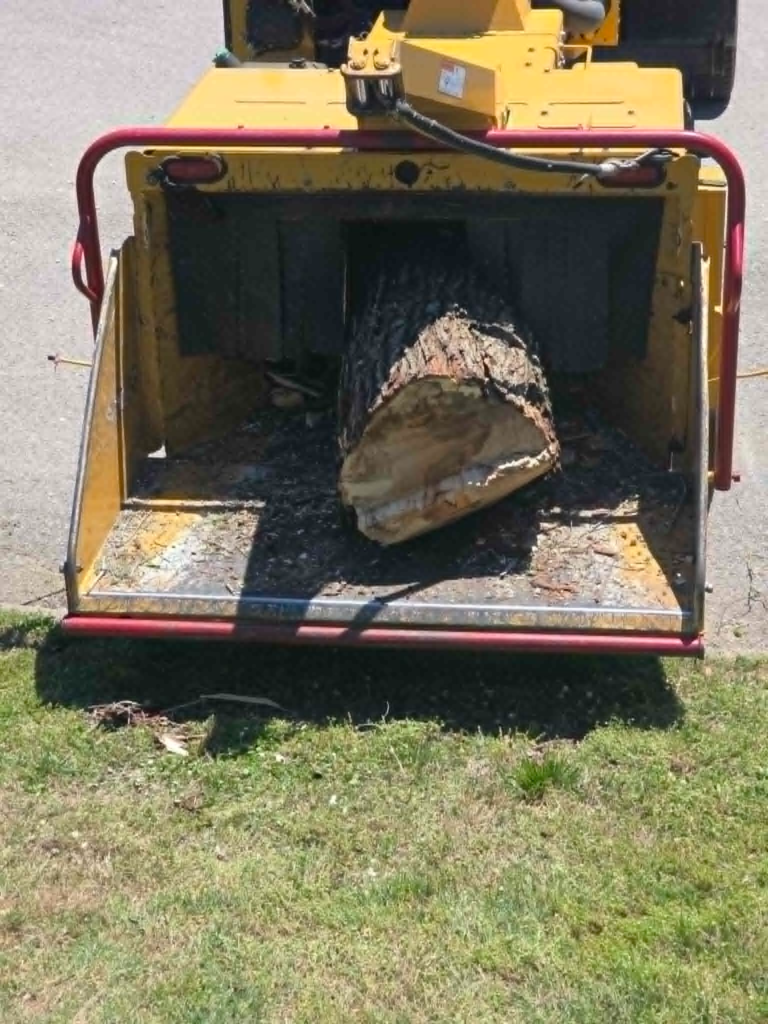
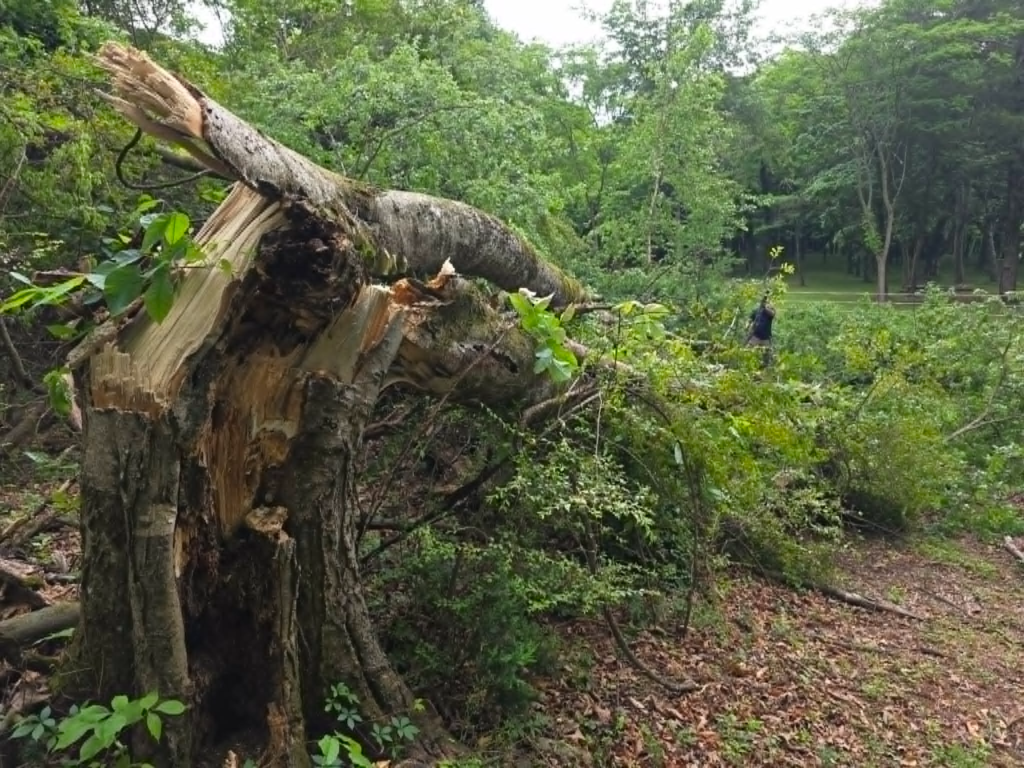
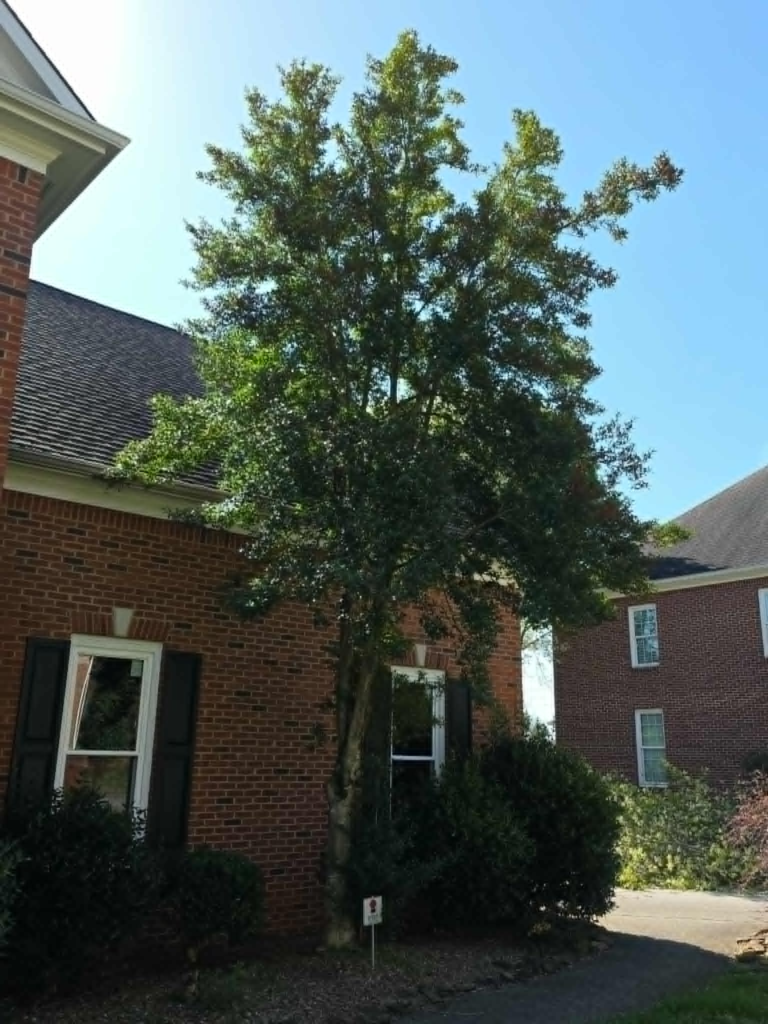
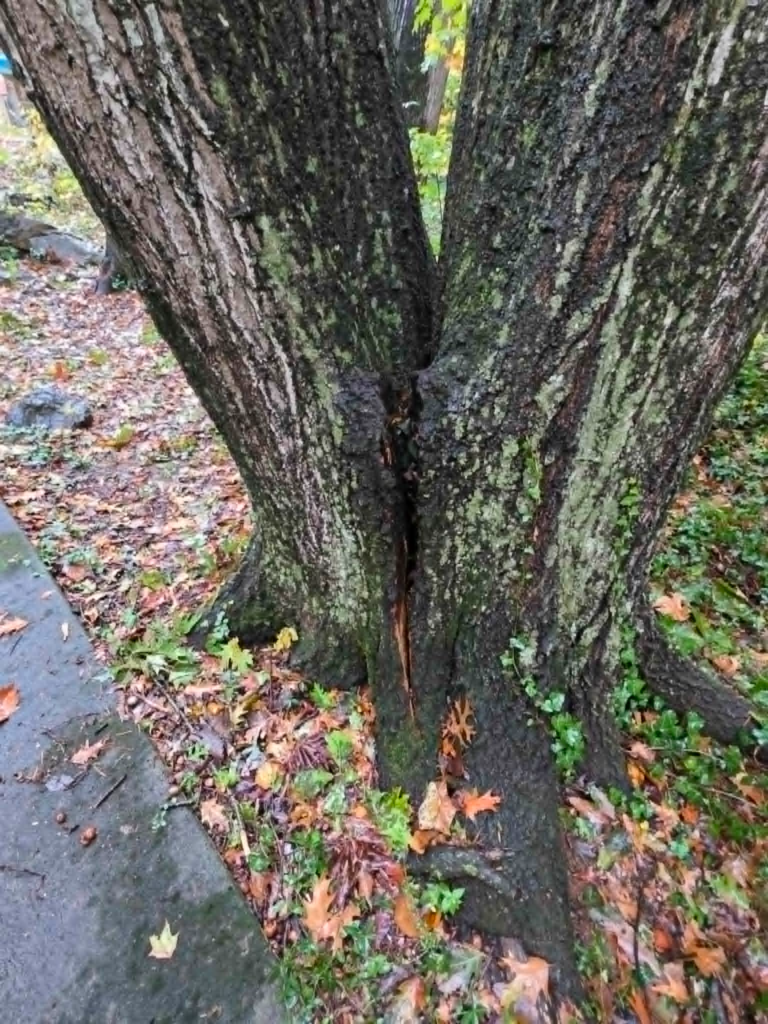
Something we see frequently after major storms is trees that failed because of internal rot that wasn’t visible from the outside. The tree looked fine right up until it snapped. That’s one of the reasons we talk to people about tree health assessments — not to generate extra work, but because internal decay in a mature tree is genuinely hard to spot without knowing what to look for.
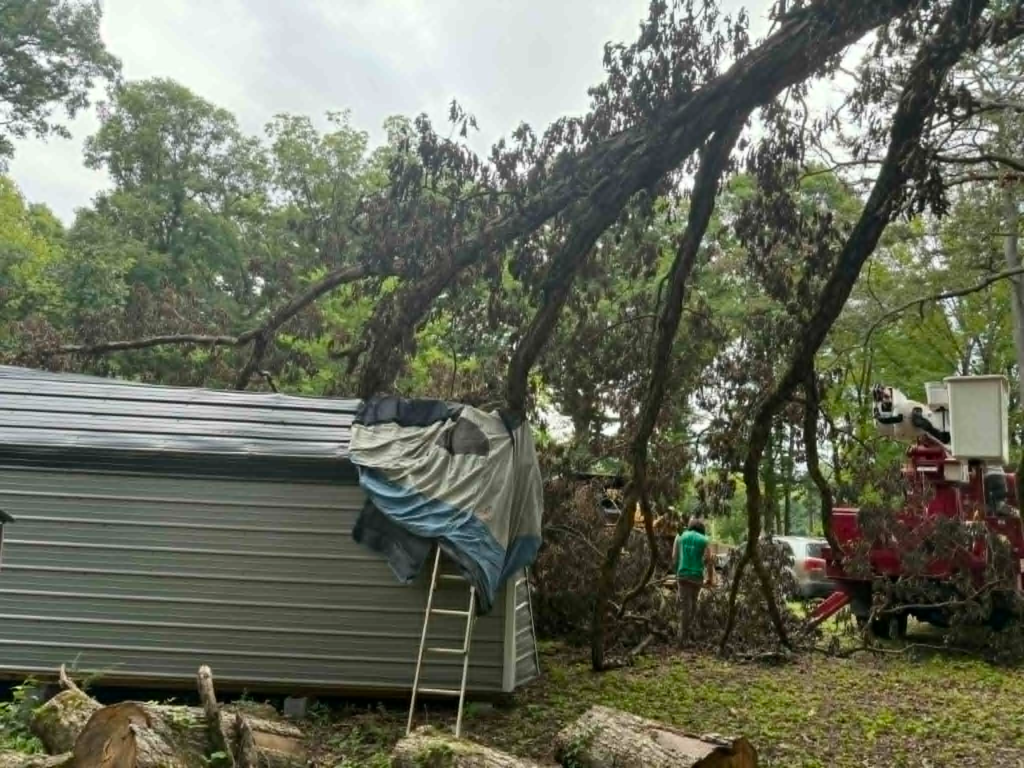
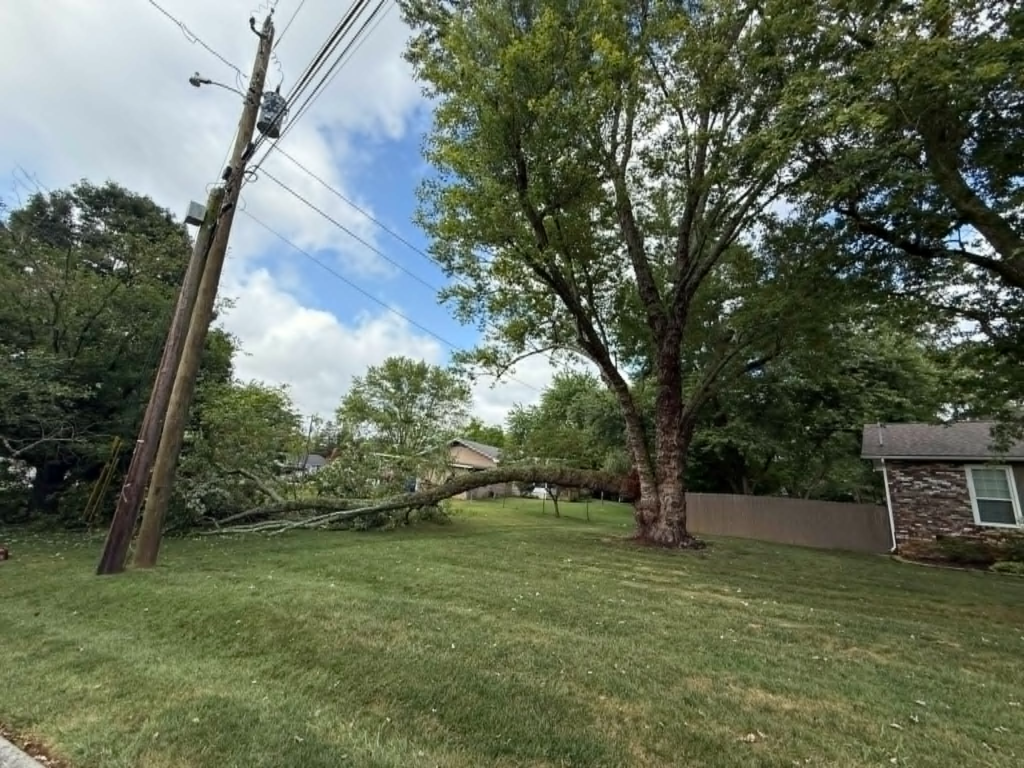
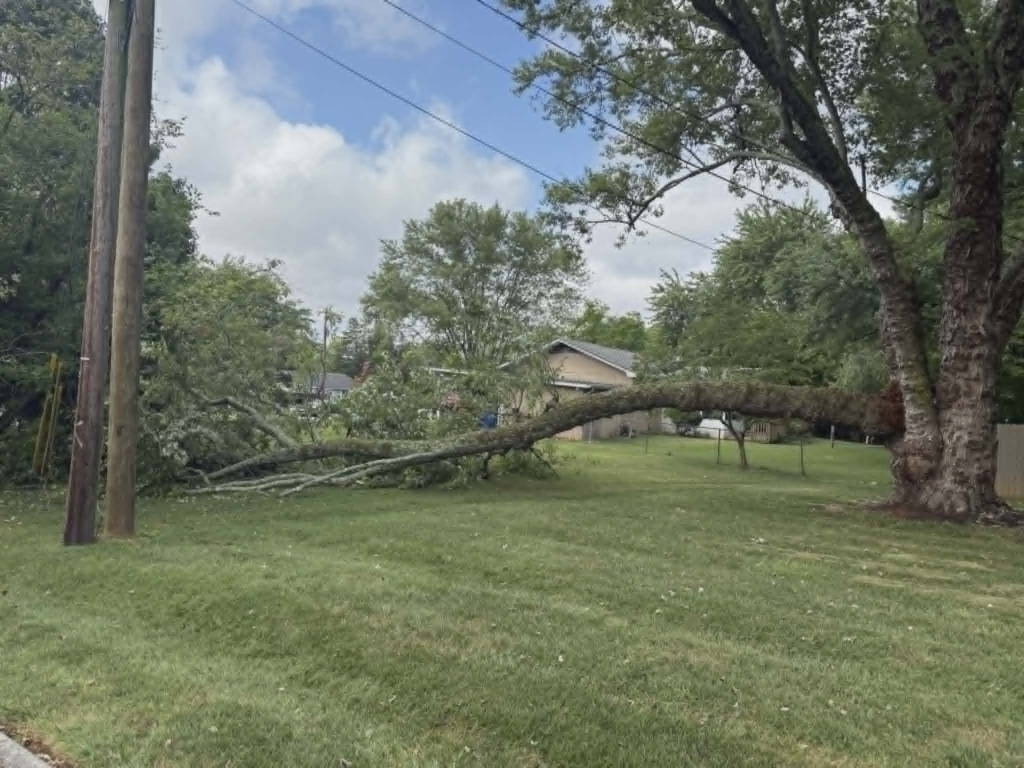
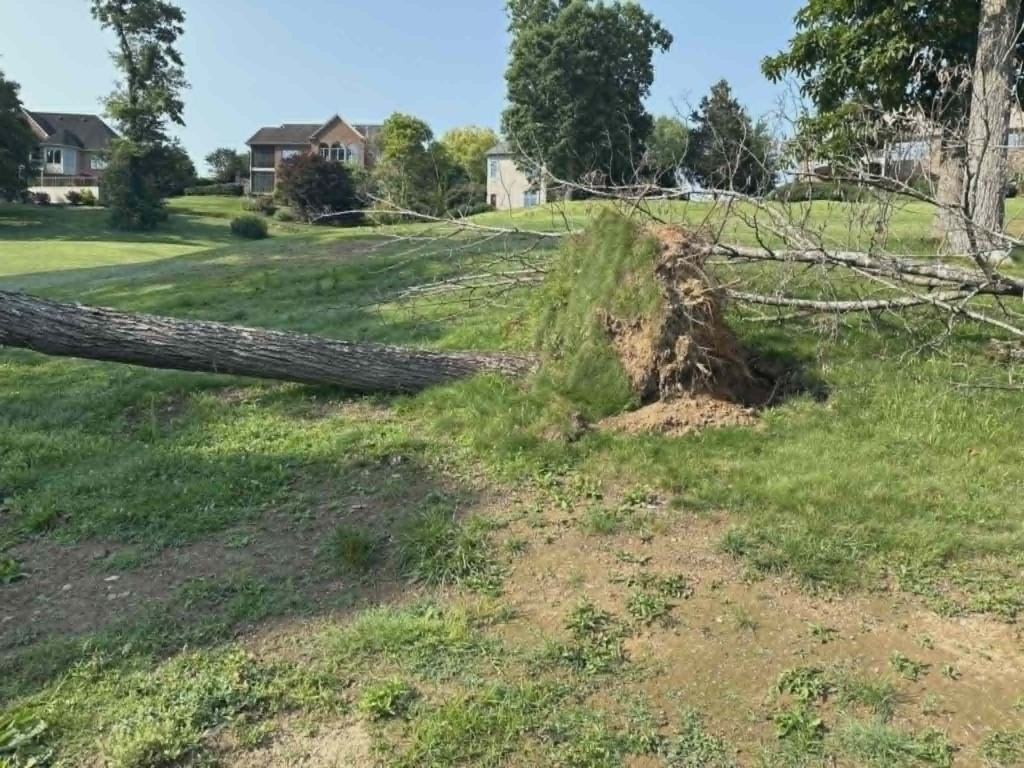
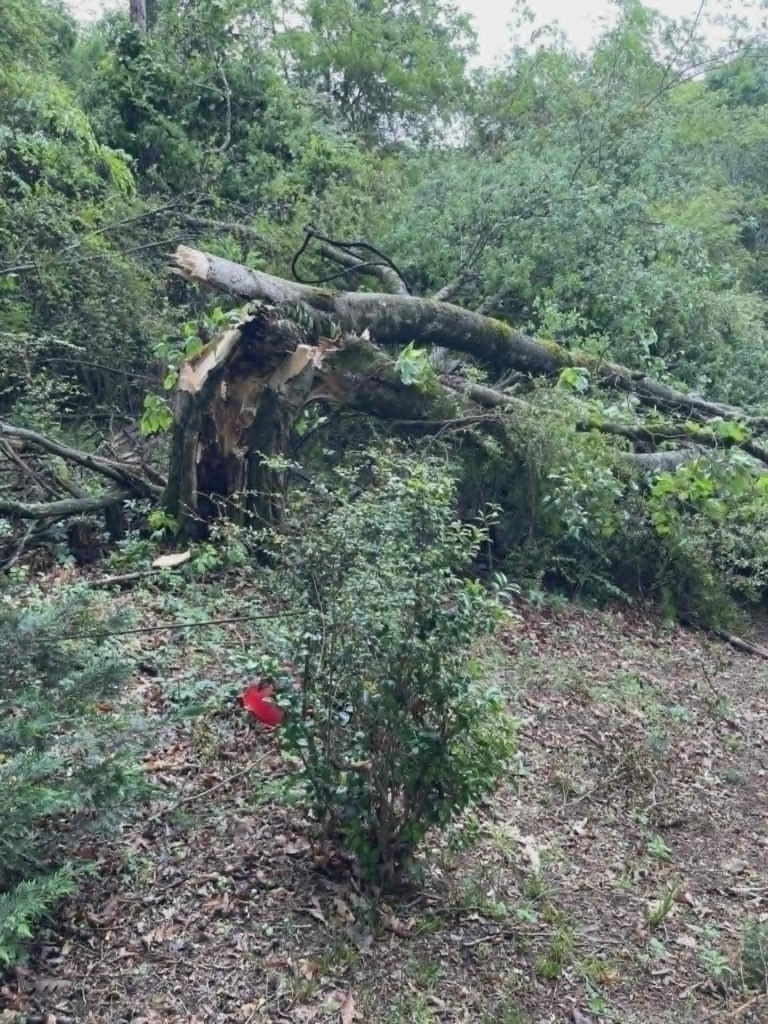
The image above is a good illustration of why we encourage people to have mature trees on their property looked at periodically. We’re not talking about unnecessary treatments or work — just an honest look at whether a tree has structural issues that make it a risk. A trained eye can catch things that a homeowner standing in the yard never would. The cost of an assessment is nothing compared to what a fallen tree can do to a roof, a vehicle, or a person.
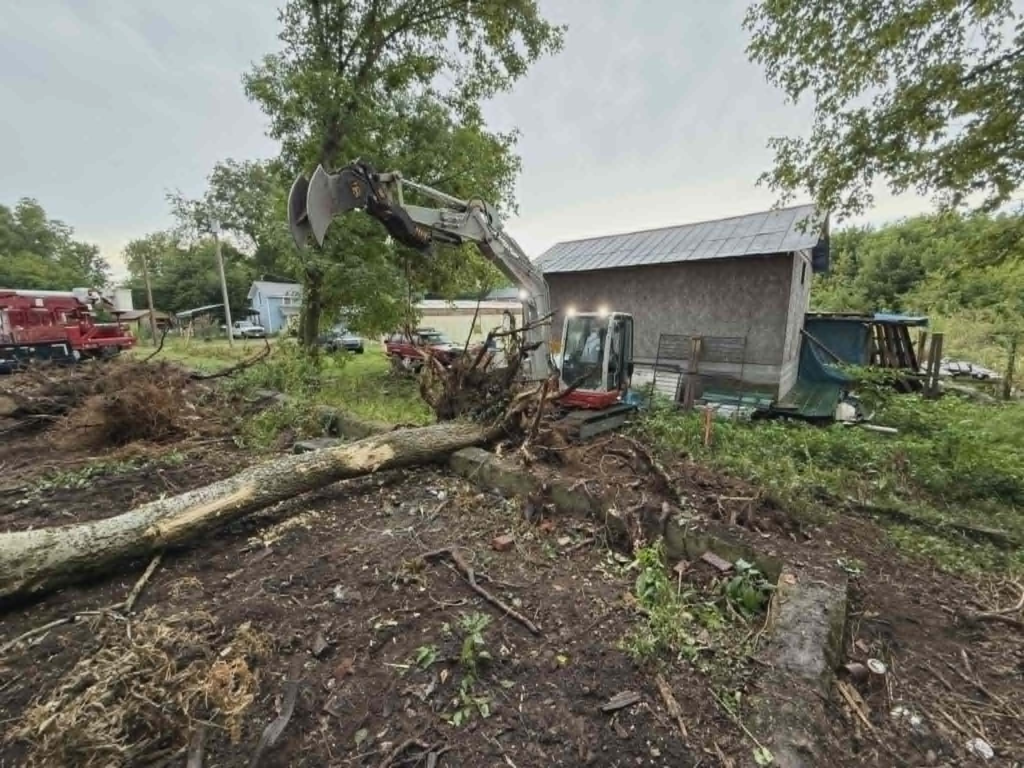
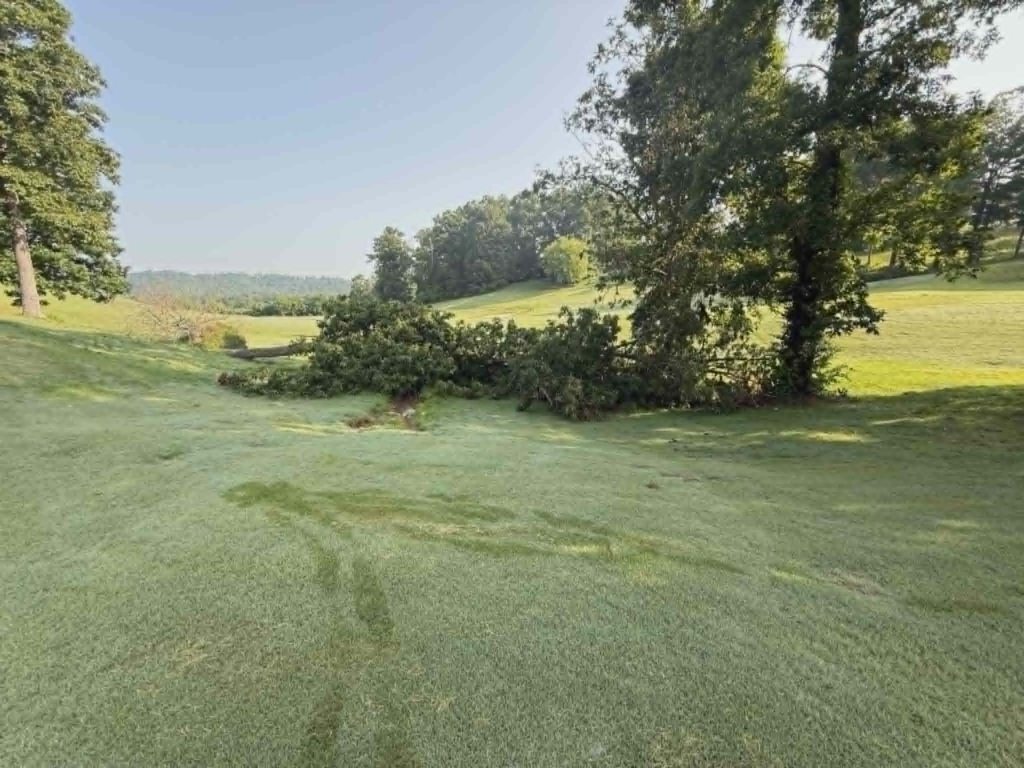
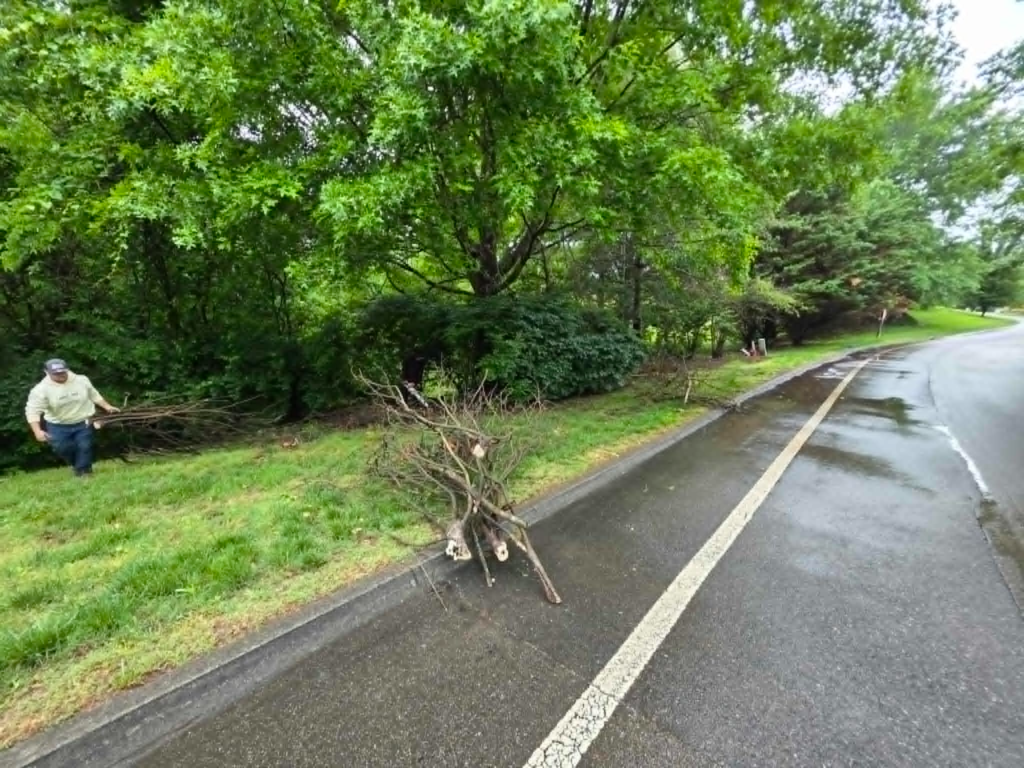
If you’re ever in a situation where a tree has come down and you’re not sure how serious it is, call us before you do anything else. We’d rather talk you through it on the phone and tell you it’s not urgent than have you get hurt trying to move something yourself. Our emergency line is available around the clock.
Our Crew at Work — Job Site Videos
Photos give you a good sense of the before and after, but they don’t fully capture what it actually looks like when a job is in motion. Below are two videos from recent projects — one from a tree removal job and one from a land clearing site. If you’ve never watched a large tree removal up close, the scale of the equipment and the coordination involved is probably different from what you’d expect.
Lot Clearing and Land Clearing — Knoxville TN and East Tennessee
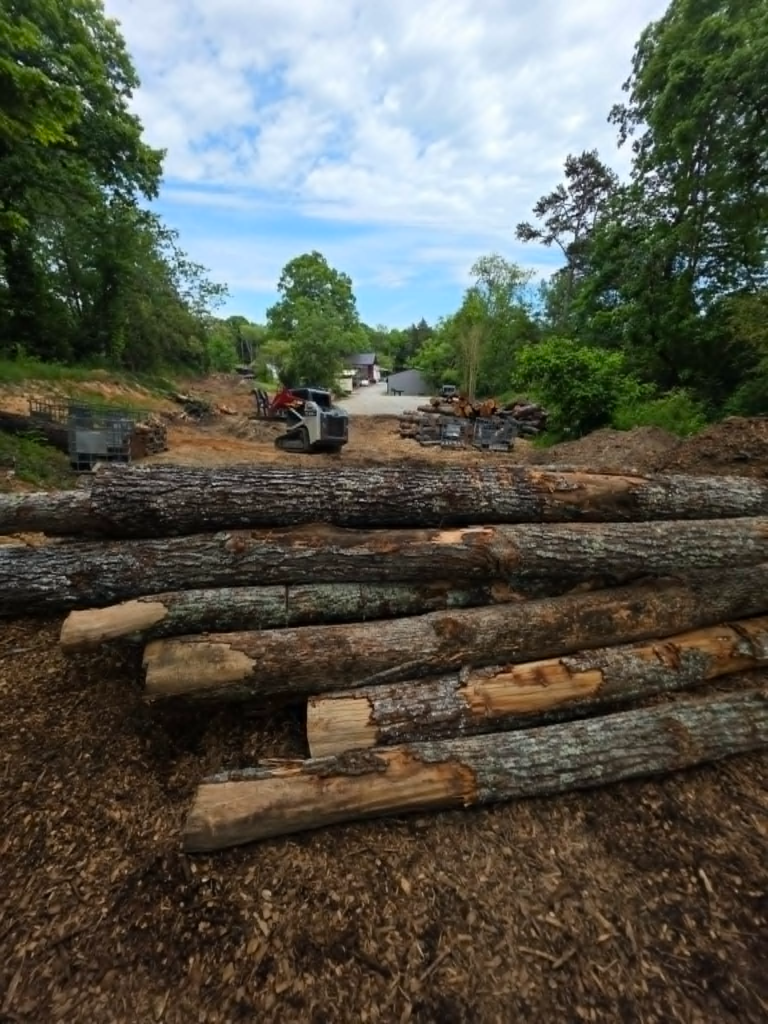
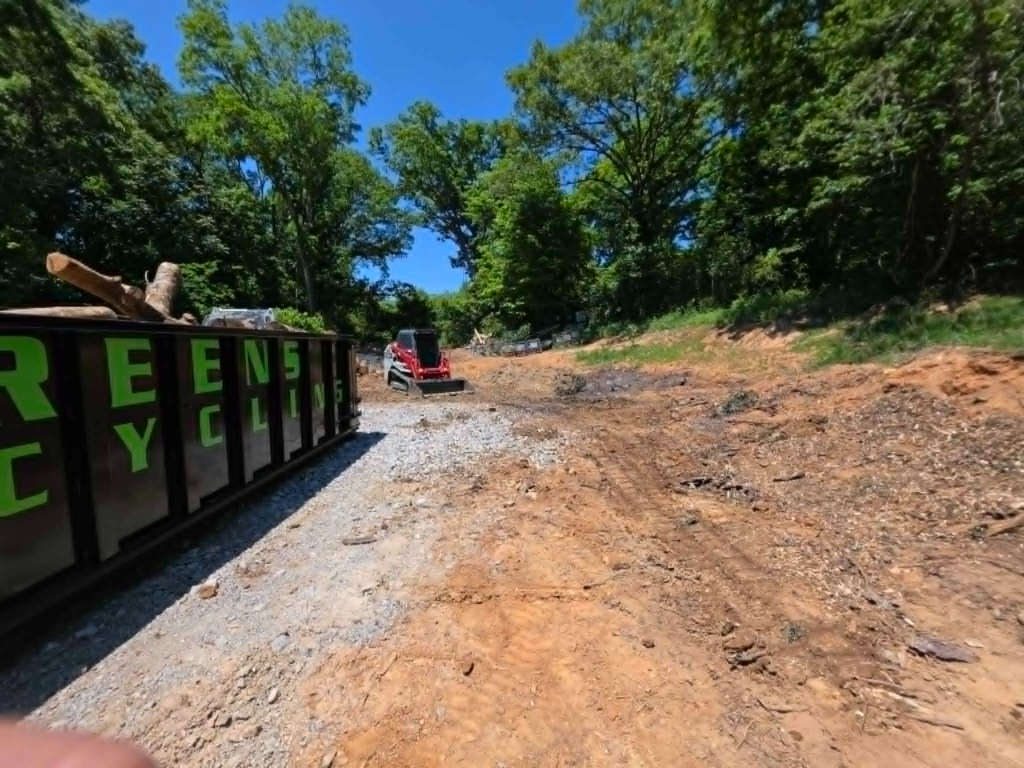
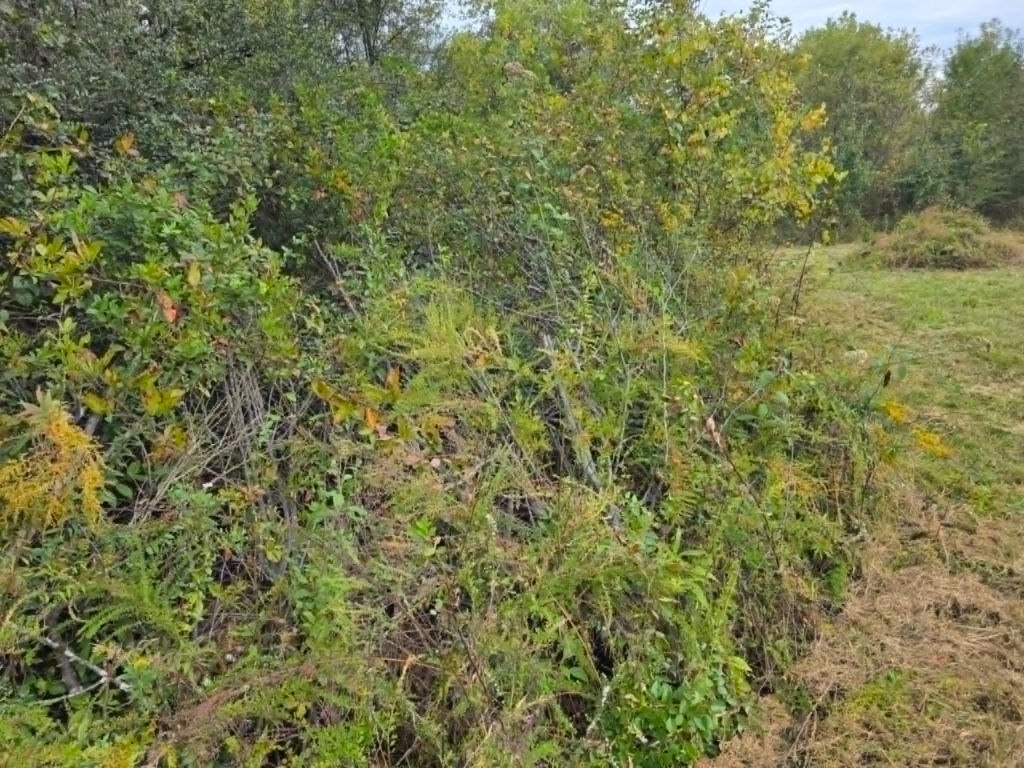
Land clearing is a different animal from residential tree removal. The economics are different, the equipment requirements are different, and the end goal is usually different — instead of removing one problem tree, you’re converting an entire parcel from its current state (wooded, overgrown, or brush-covered) to something usable. That might mean a building pad for a new home, a cleared pasture, a driveway cut, or simply reclaiming a piece of property that’s gotten away from the owner over the years.
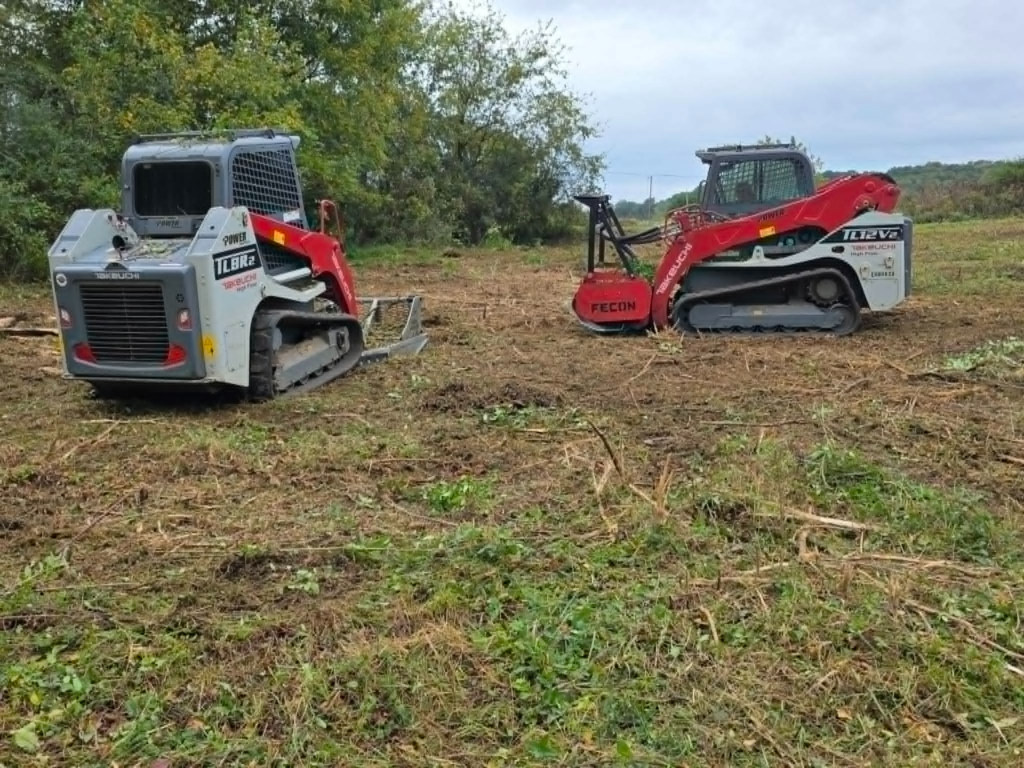
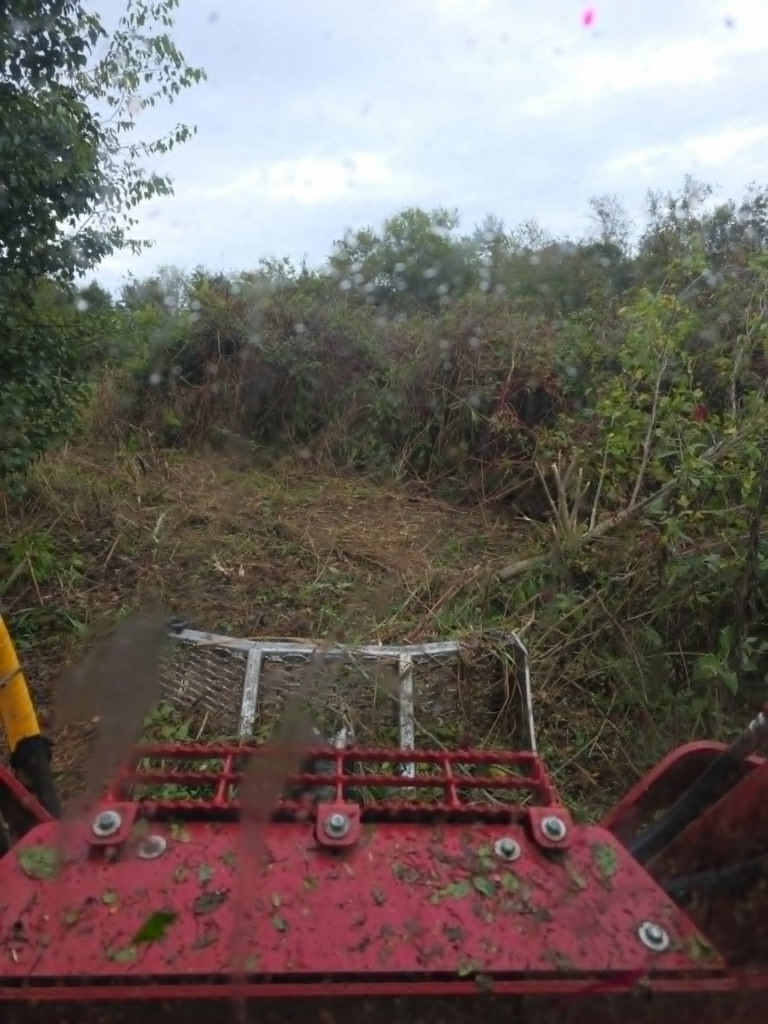
We use a combination of equipment on clearing jobs depending on the size of the trees and the density of the vegetation. On a heavily wooded parcel with large hardwoods, the excavator does most of the heavy lifting — felling, grubbing stumps, and moving material. On lighter brush and sapling situations, the forestry mulcher is often the most efficient tool because it processes everything in one pass without leaving stumps or debris piles to deal with separately.
One thing people often ask when they’re planning a clearing project is whether permits are required. In Knoxville and Knox County the answer depends on the size of the parcel, what it’s being cleared for, and whether it’s in a regulated zone. We’re not permit agents, but we work with landowners on this regularly and can point you in the right direction before work starts.
Crane Tree Removal — When the Standard Approach Isn’t an Option
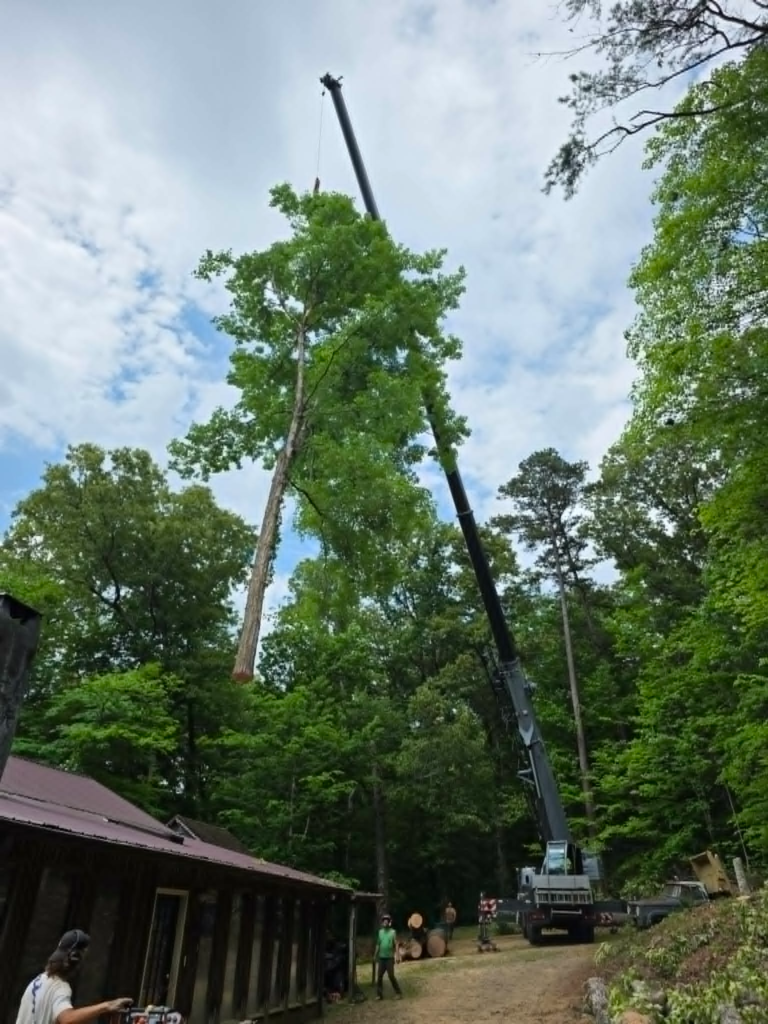
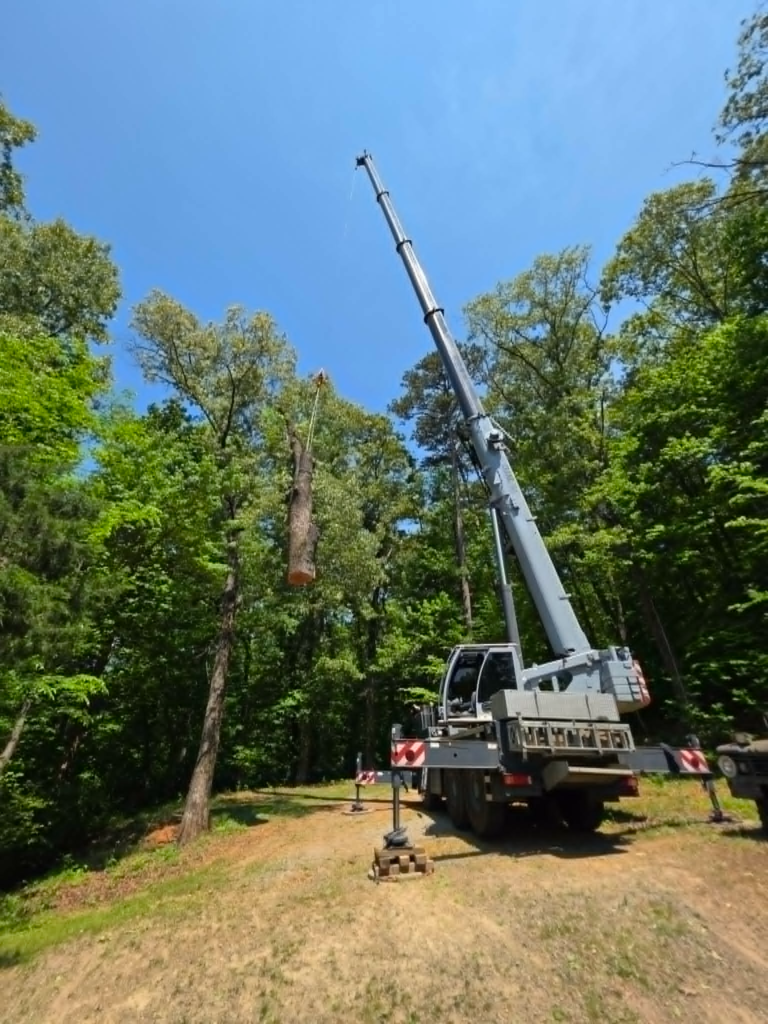
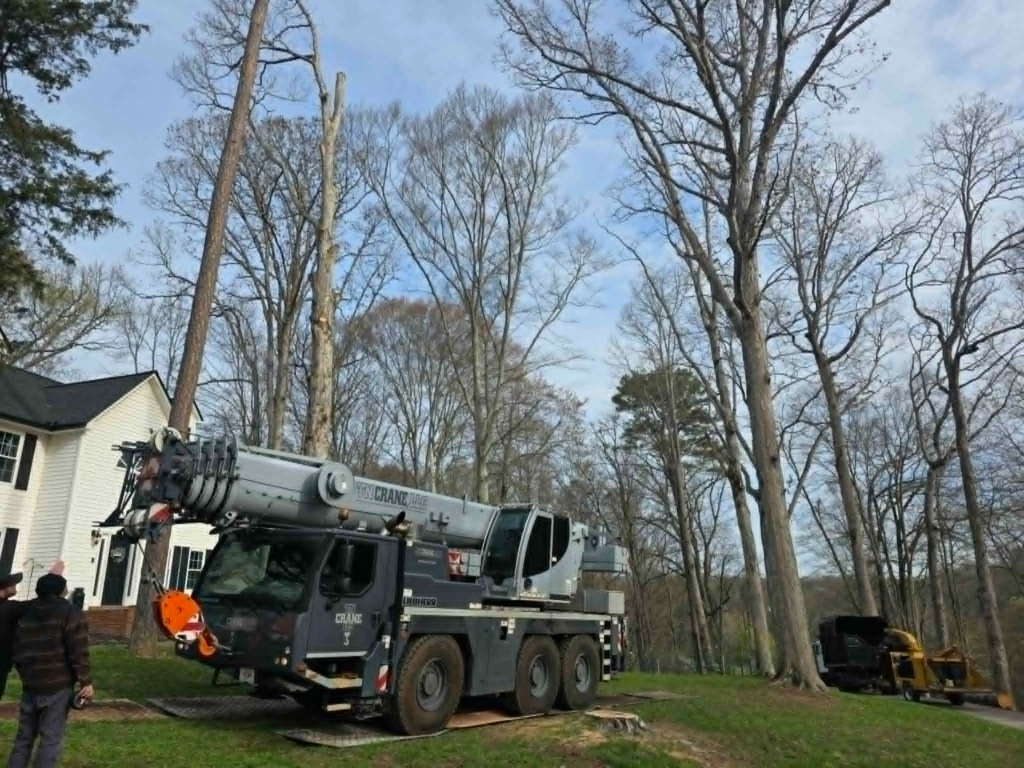
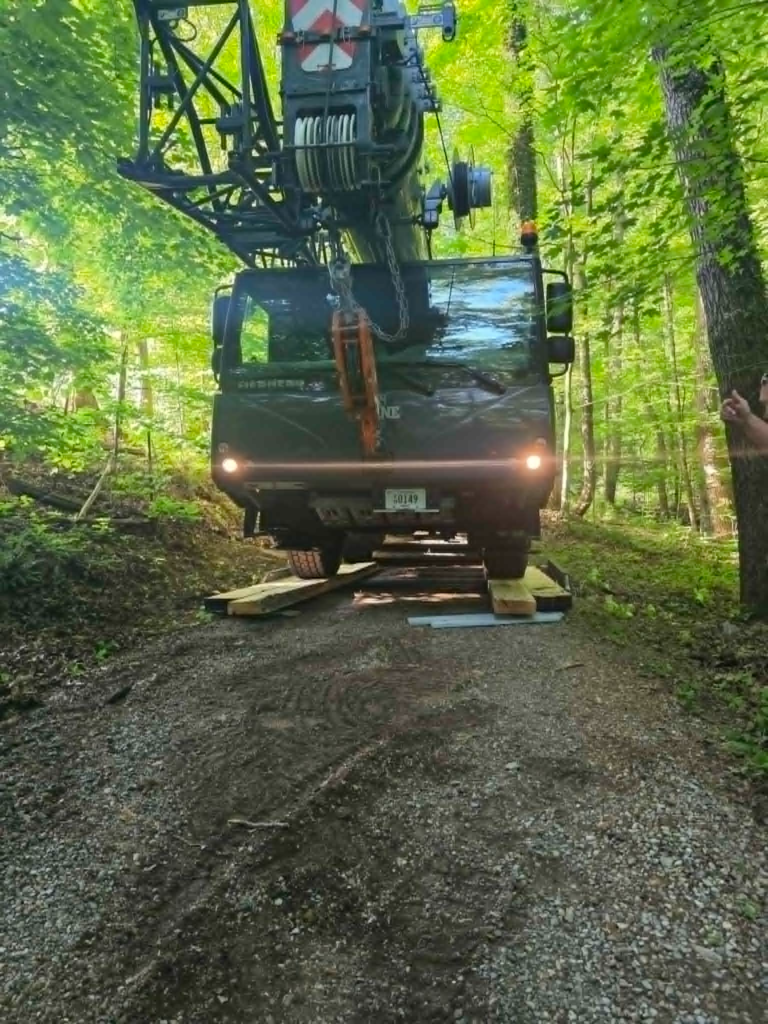
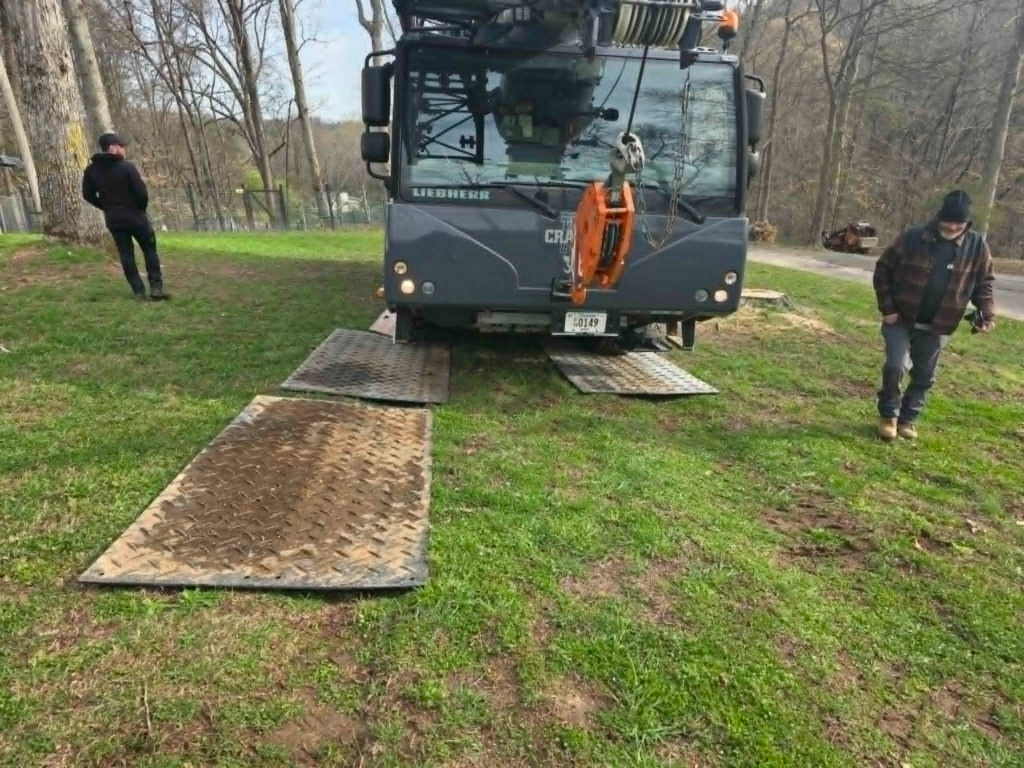
Crane removal is something that surprises people when they first hear about it — the idea that you’d bring a full-size crane to remove a tree. But there’s a fairly straightforward logic to it. If a tree is very tall, located close to a structure, and there’s no safe angle to fell it conventionally without it landing on something it shouldn’t, then the only controlled option is to lift it out in sections.
The crane doesn’t remove the tree on its own. The way it works is that a climber goes up and rigged each section with a line, makes the cut, and the crane lifts that section clear before it can fall. The precision you get from a crane-assisted cut is dramatically higher than what you can achieve with rigging alone on a large tree. For trees that are particularly hazardous — large dead trees overhanging occupied buildings, for example — we almost always recommend looking at crane options rather than trying to fell them in place.
We work with crane operators locally for these jobs and have done a significant number of them over the years. If you’re getting quotes on a difficult tree and another company is telling you they can fell it without a crane, it’s worth asking them to explain their plan in detail before you agree. Sometimes conventional felling is perfectly appropriate — and sometimes it’s not.
Tree Trimming and Pruning — Residential and Commercial Properties
Tree trimming is probably the most underrated part of what we do. Removal gets most of the attention because it’s dramatic — the tree comes down, the yard changes, it’s visible. Trimming is subtler, but done correctly and on a regular schedule, it’s what keeps trees healthy and structurally sound, and it’s what reduces the likelihood of branches failing in a storm.
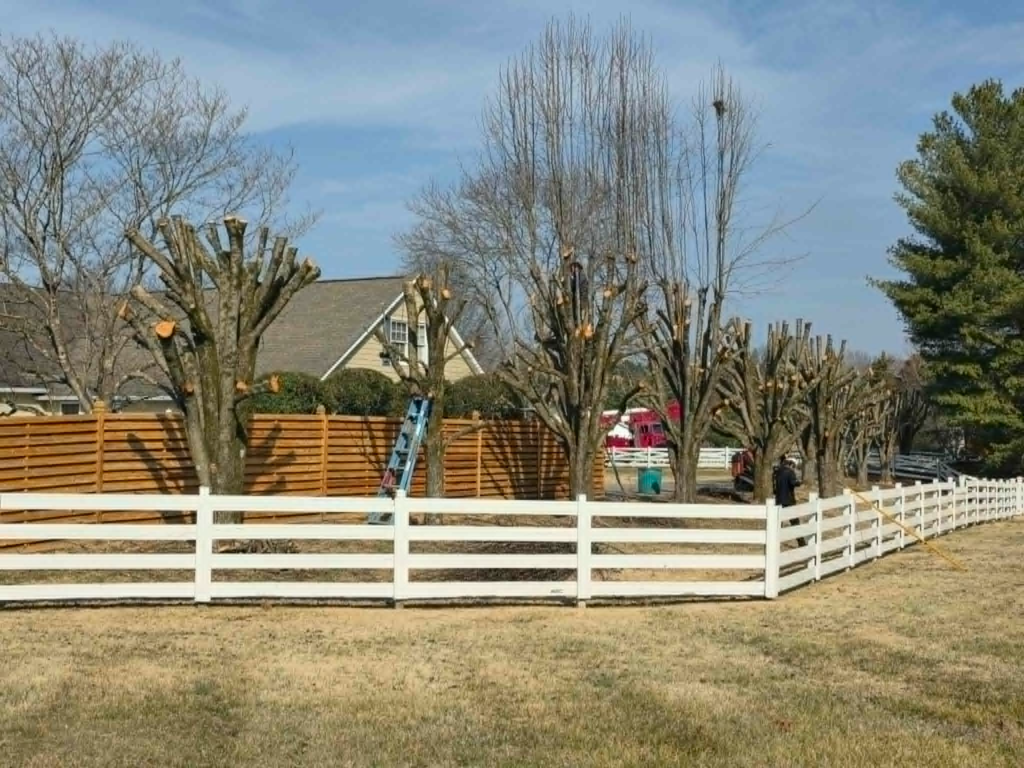
We trim everything from ornamental trees in residential landscape beds to large commercial properties with dozens of mature trees that need systematic maintenance. The approach depends on the species, the growth pattern, and what the owner is trying to achieve. Crown cleaning — removing dead, crossing, and structurally weak branches — is the most common type of trim we do. Crown reduction, which is reducing the overall size of the canopy, is more involved and needs to be done carefully to avoid stressing the tree.
One thing that comes up occasionally is the difference between correct pruning and what’s sometimes called tree topping — cutting large branches back to stubs arbitrarily. Topping damages trees, promotes rapid re-growth of weak, poorly attached stems, and makes the long-term problem worse. We don’t top trees and we’ll tell you honestly when a client asks about it. If you’ve inherited a tree that was previously topped and you’re not sure what to do with it, a tree assessment is a good starting point for figuring out what’s salvageable.
Stump Grinding and Removal
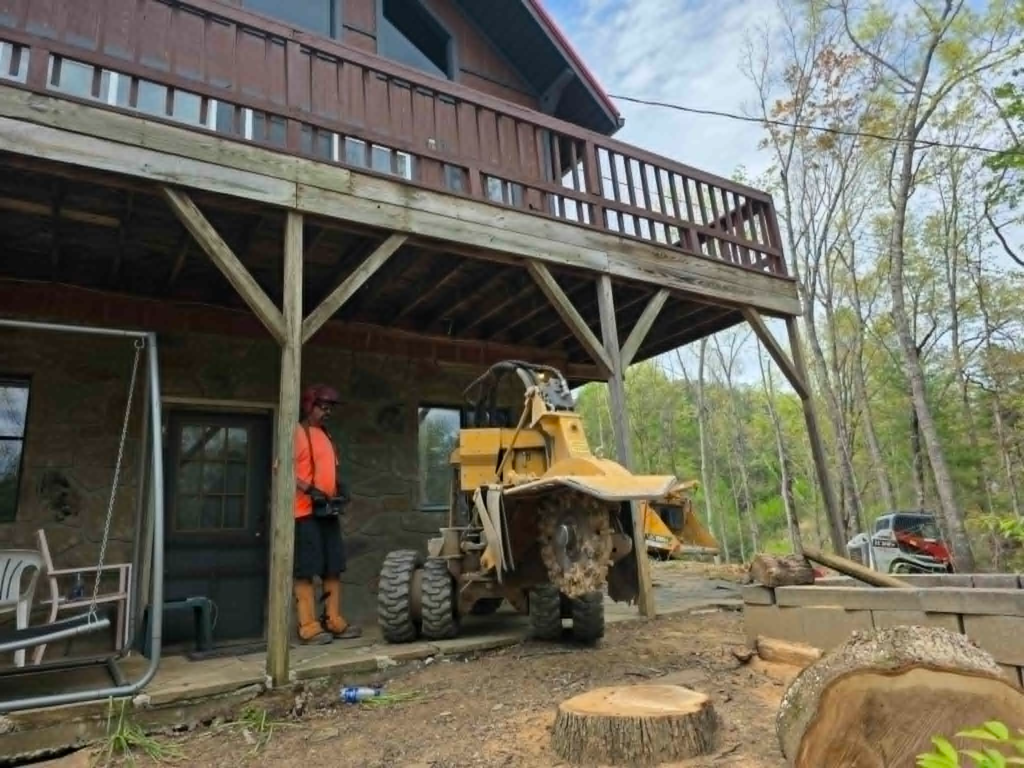
After a tree comes down, the stump is often an afterthought — until you’re trying to mow around it for the third year in a row, or you notice the wood is starting to attract carpenter ants, or you want to plant something in that spot and can’t. Stump grinding resolves all of that fairly quickly. The machine grinds the stump and the major surface roots down below grade, and what’s left is a pile of wood chips that can be used as mulch or raked away and replaced with soil.
We can do stump grinding on the same day as a removal, or we can come back and do it as a standalone job if the homeowner needs time to decide. We have a compact grinder that fits through a standard gate and can reach stumps in backyard spaces that a larger machine couldn’t access. If you’ve got multiple old stumps on a property — which is common on older lots in Knox County — we price those as a group and can usually knock them all out in a single half-day visit.
Creek and Waterway Clearing — East Tennessee
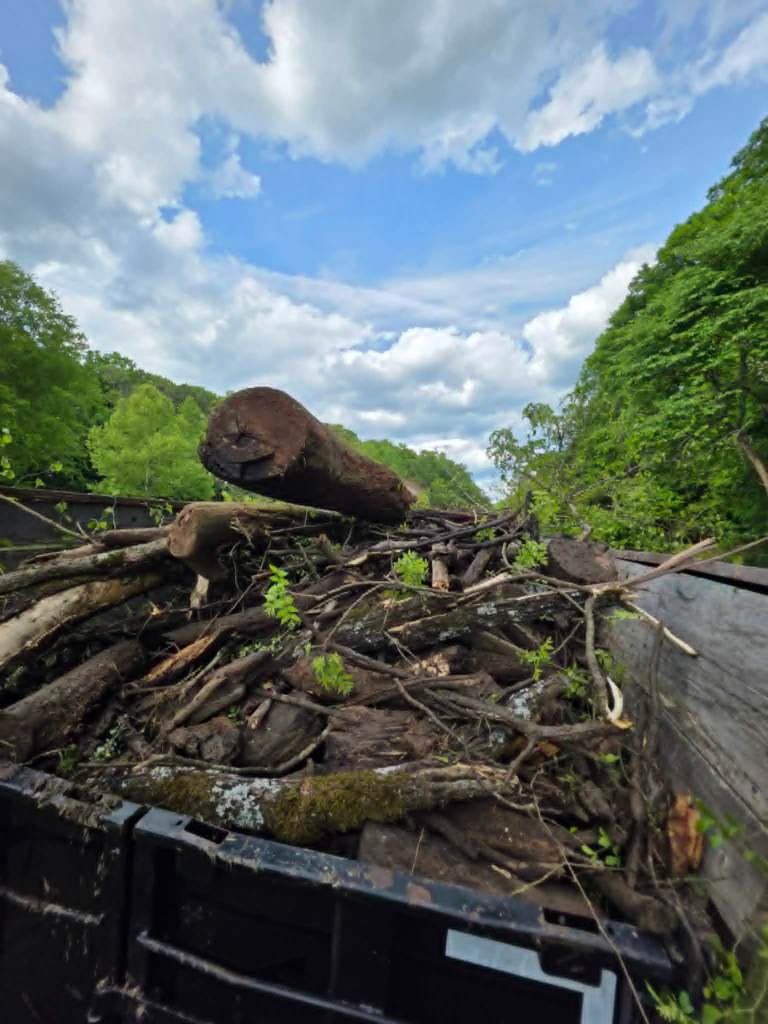
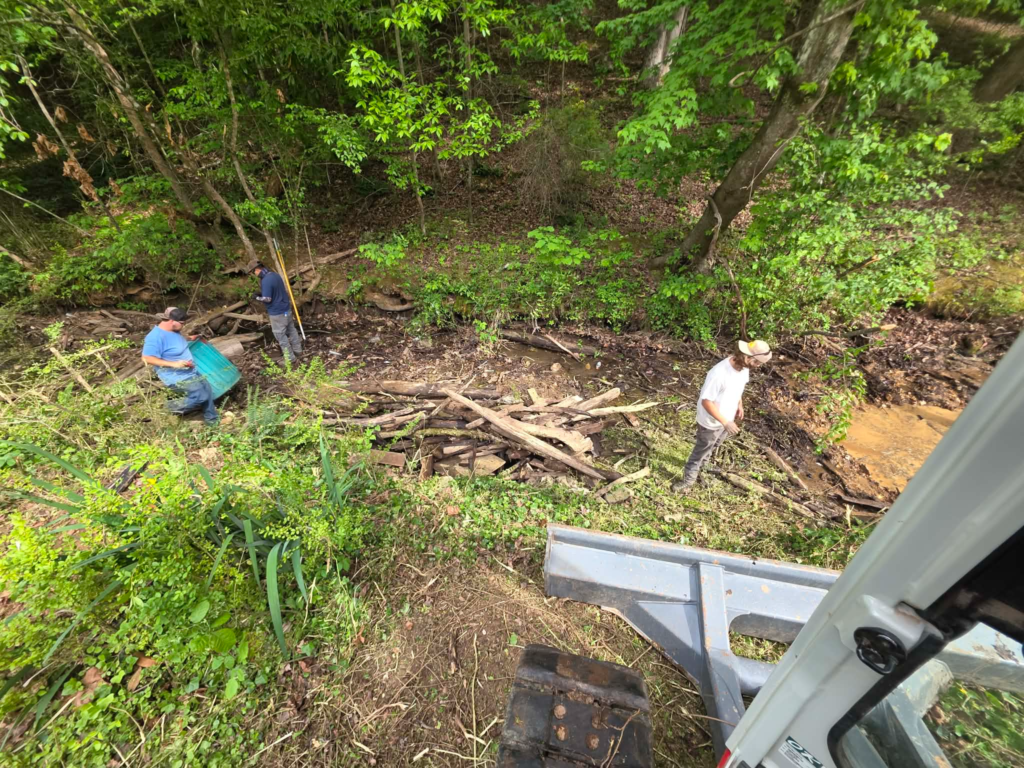
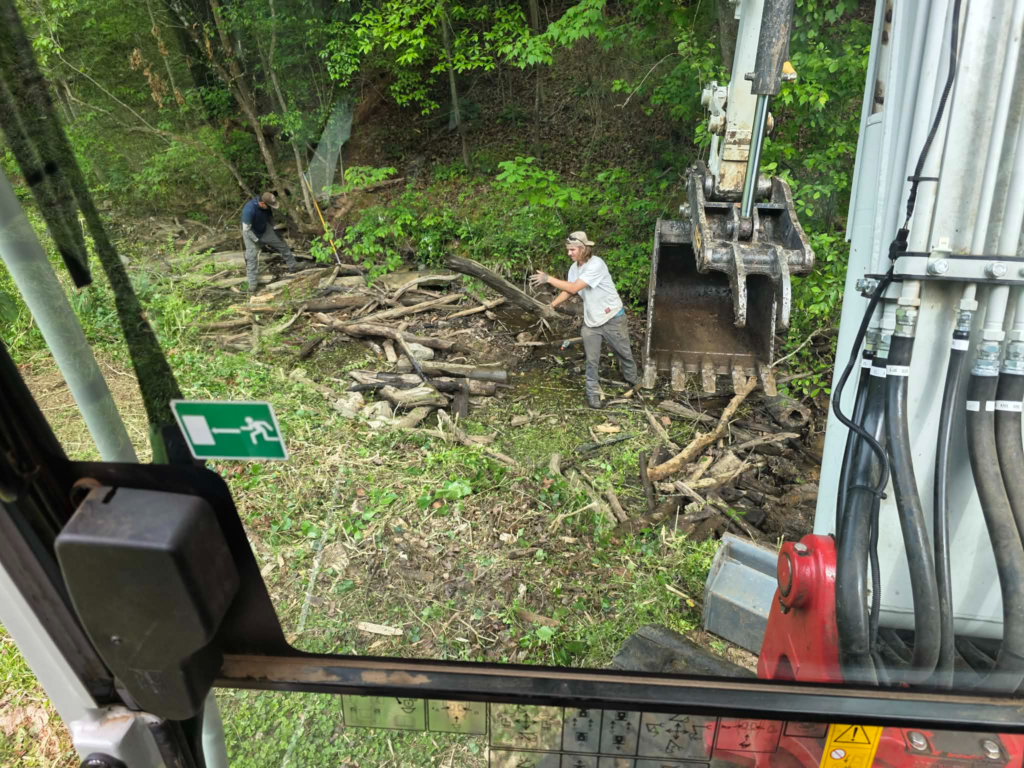
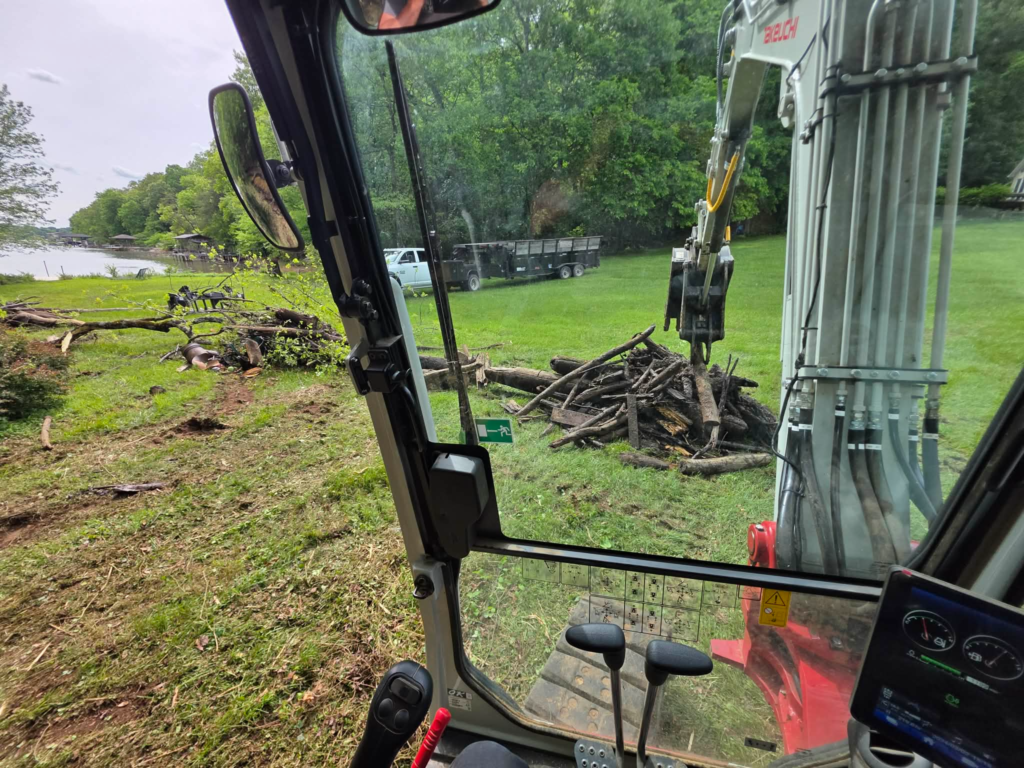
Creek and waterway debris removal is a niche part of our work but it comes up regularly, particularly after flooding events and major storms. When trees, old lumber, and organic debris accumulate in a creek channel, they constrict flow, cause localized flooding on adjacent land, and can create structural pressure on banks and retaining features. Clearing a blocked waterway is genuinely different from tree removal — it requires working in and around water, on unstable creek banks, often with limited access for equipment.
Backyard Tree Removal — When the Goal Is Reclaiming the Space
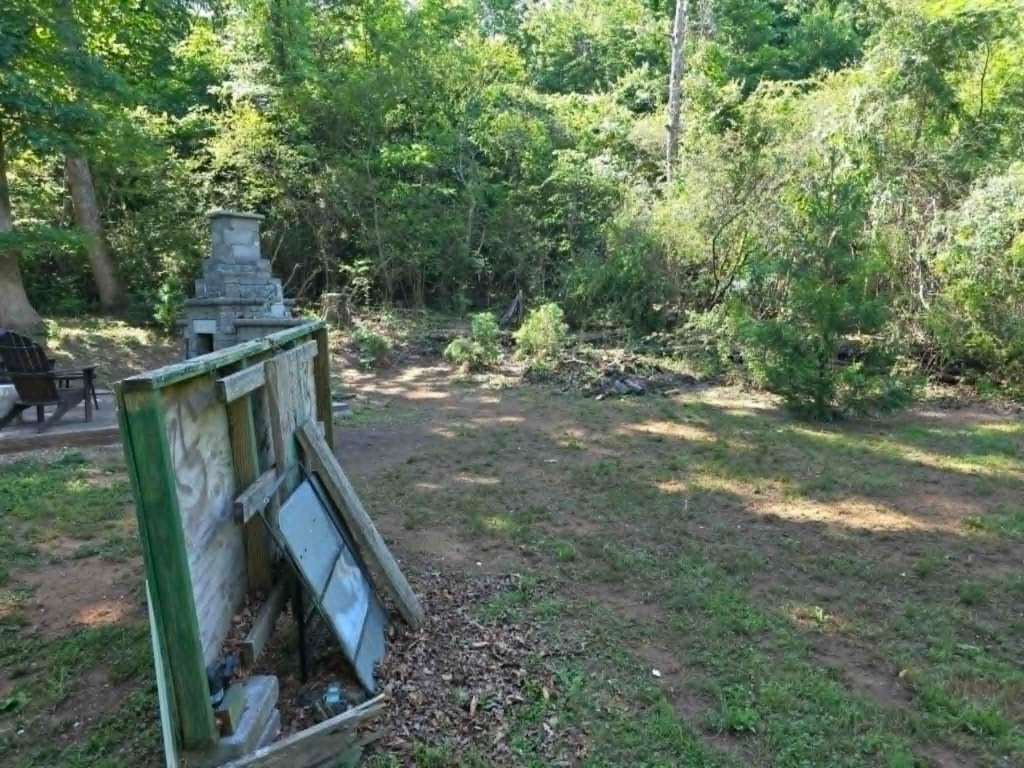
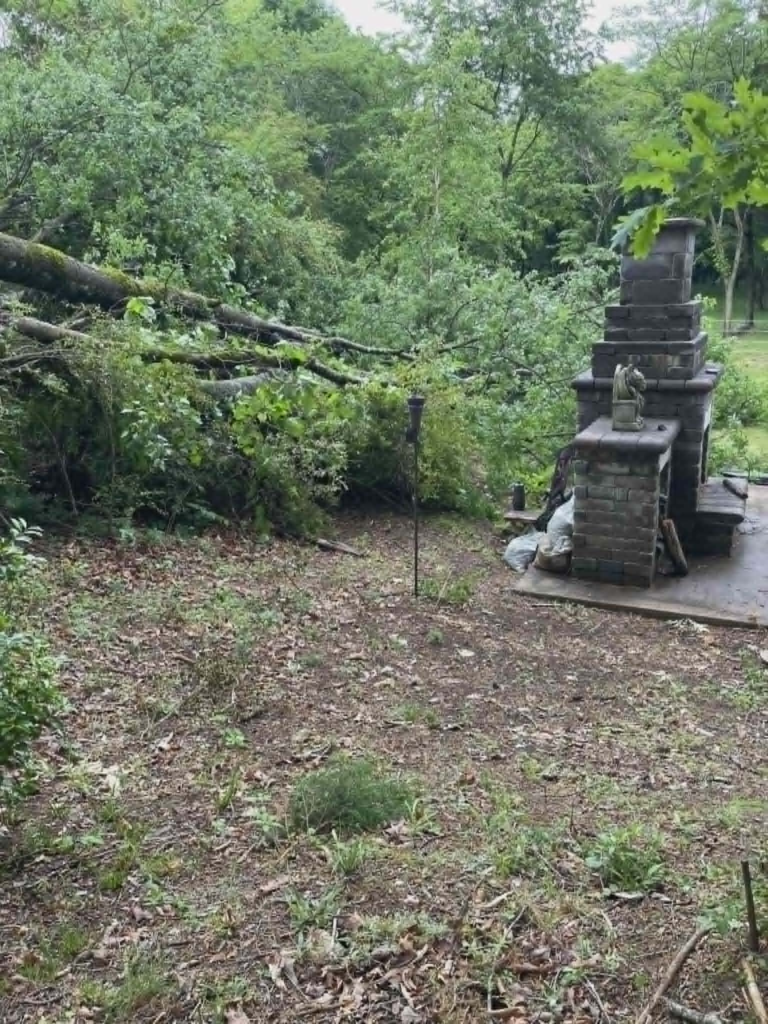
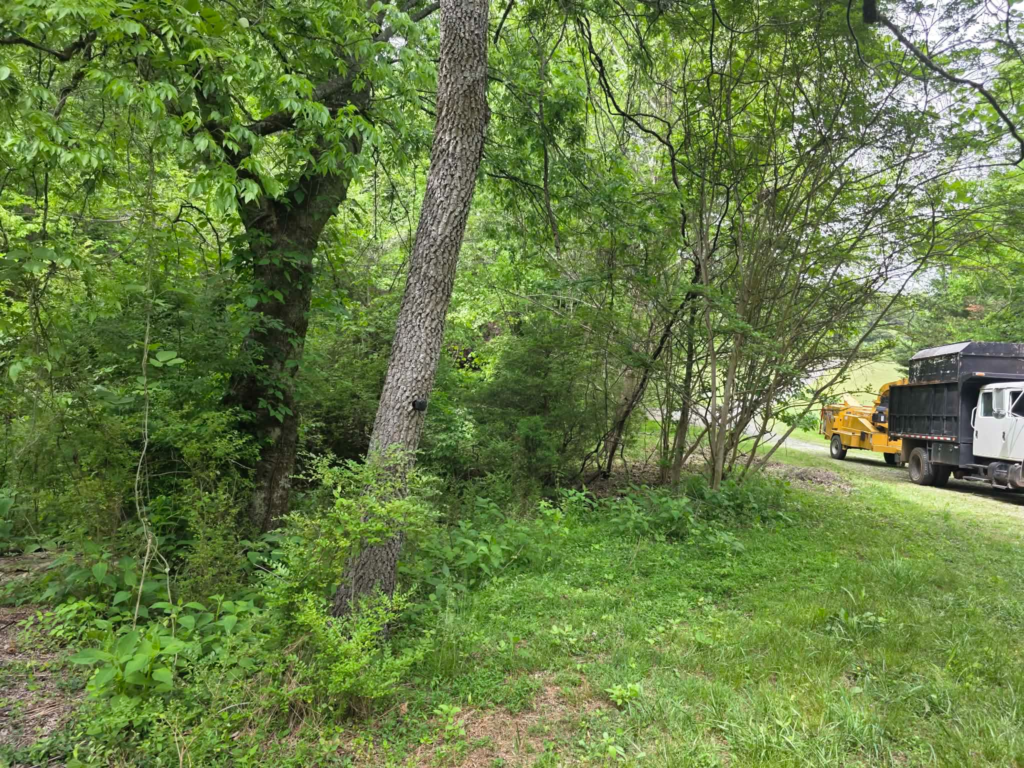
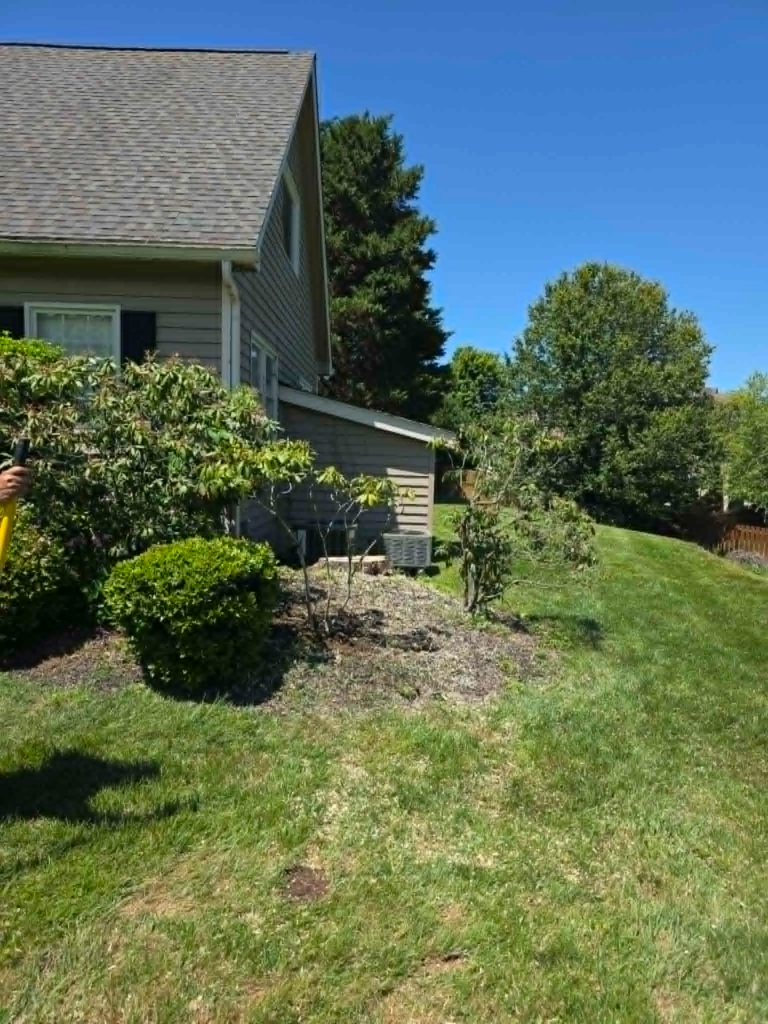
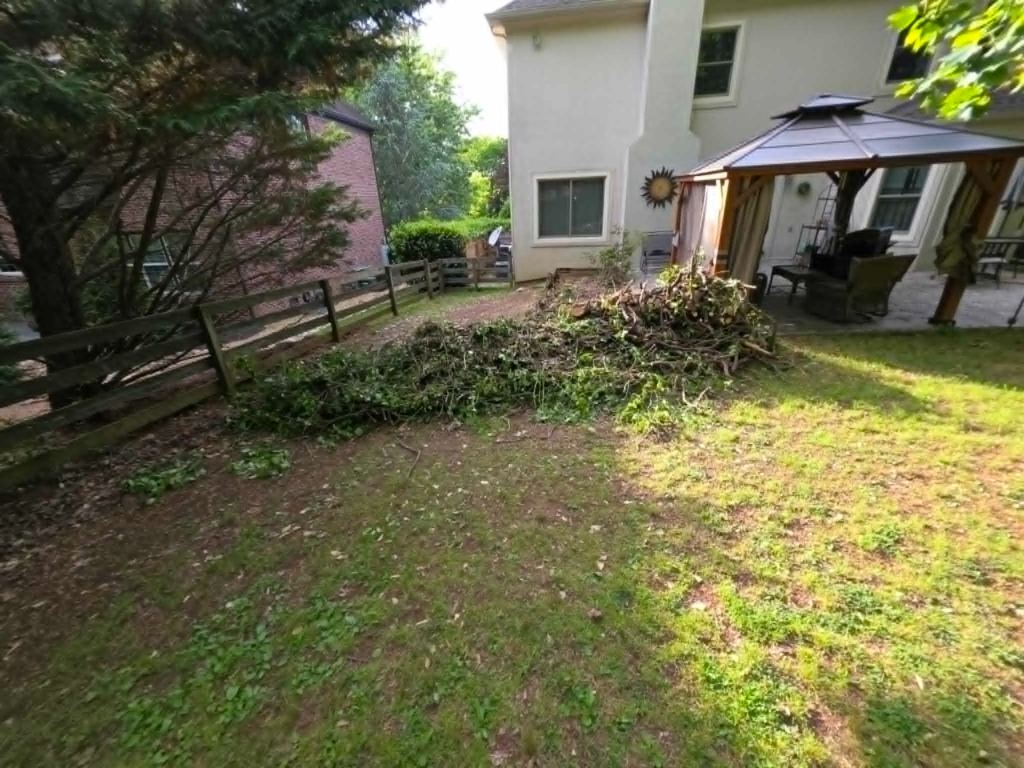
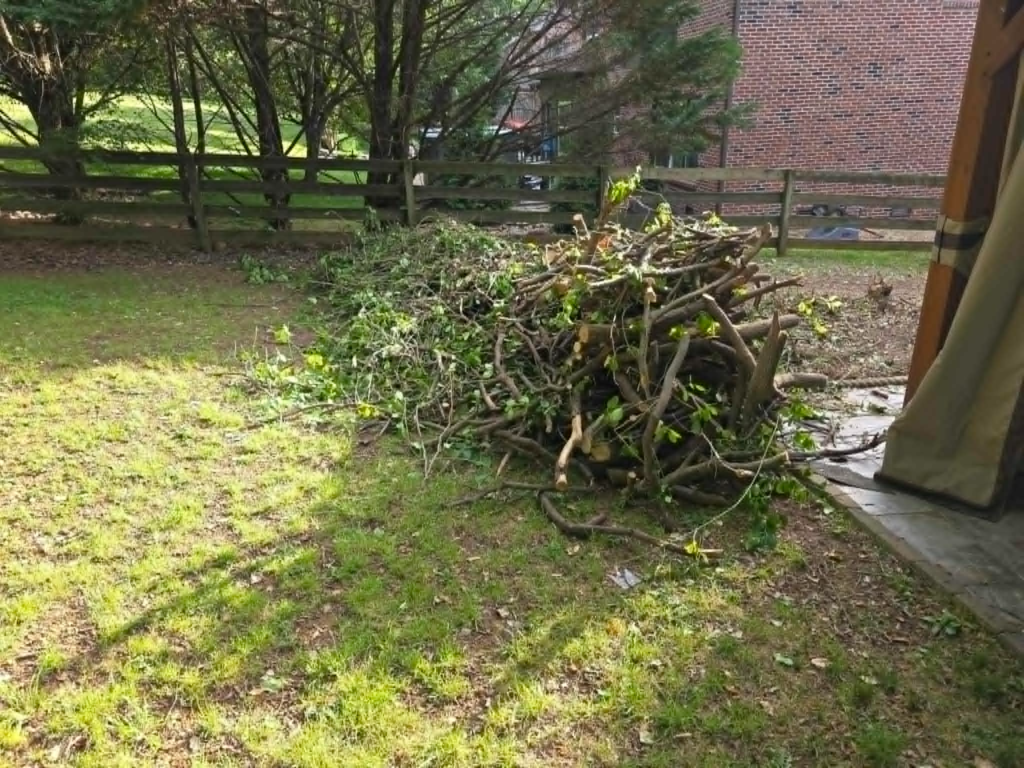
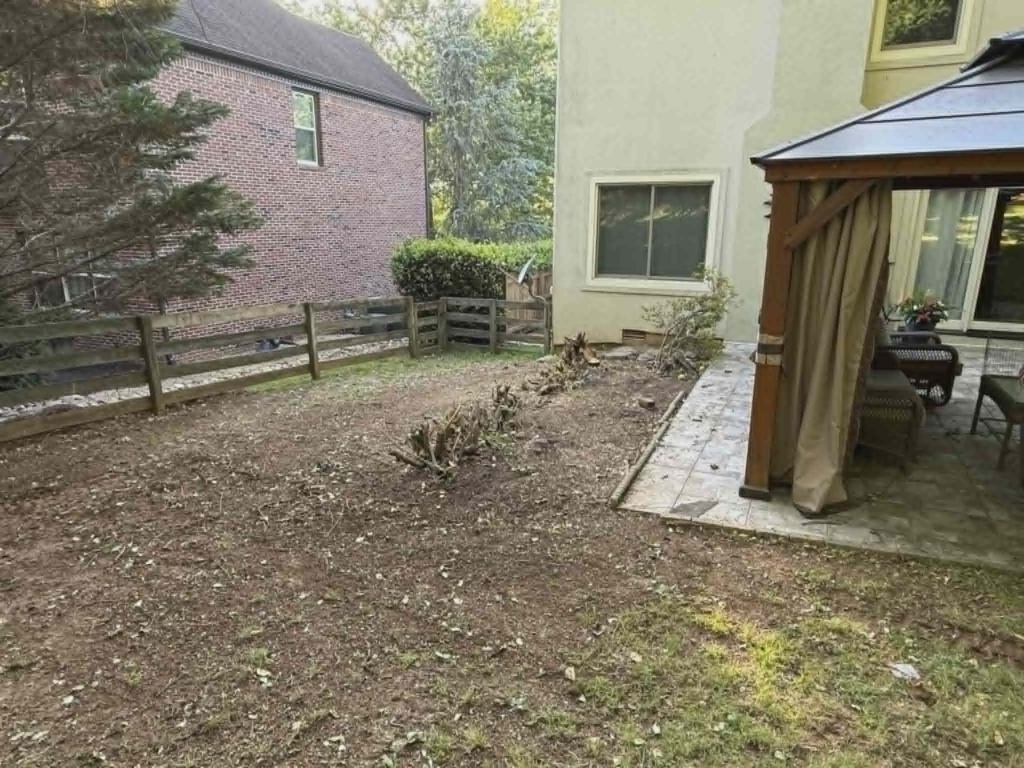
A category of residential work that comes up frequently in older Knoxville neighborhoods is backyard cleanup — properties where trees and large shrubs have slowly taken over a usable outdoor space over the years. These aren’t always hazardous situations. The tree isn’t fallen, it isn’t dead, it isn’t threatening the house. The homeowner just wants their yard back. They want to be able to use the patio, or get light into a shaded room, or simply not spend every fall weekend raking.
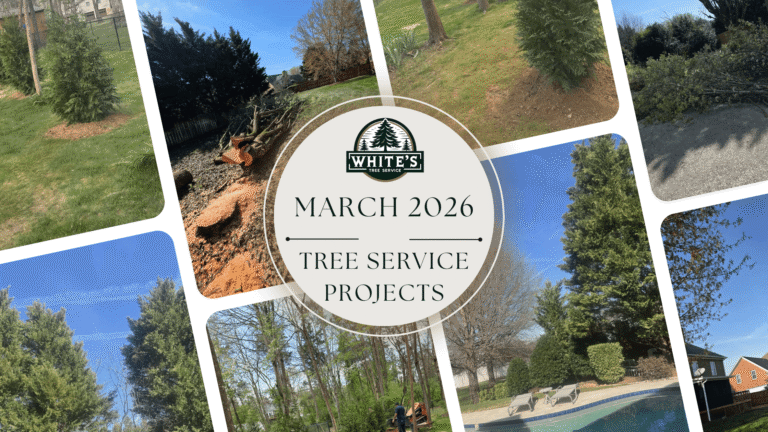
These jobs tend to be satisfying because the change is visible and immediate. What looks like an overgrown mess in the morning is a functional outdoor space by late afternoon. Below are a few examples from residential backyard jobs in Knoxville TN.
Our Equipment Fleet
The equipment a tree service company owns is a fairly direct reflection of what jobs they can actually handle. A company with a chainsaw, a pickup truck, and a small chipper can do a lot of residential tree work, but they have real limits when a job gets larger or more complex. We’ve invested significantly in equipment over the years specifically so that we don’t have to turn down difficult jobs or rent machines last minute at jobs where that creates risk.
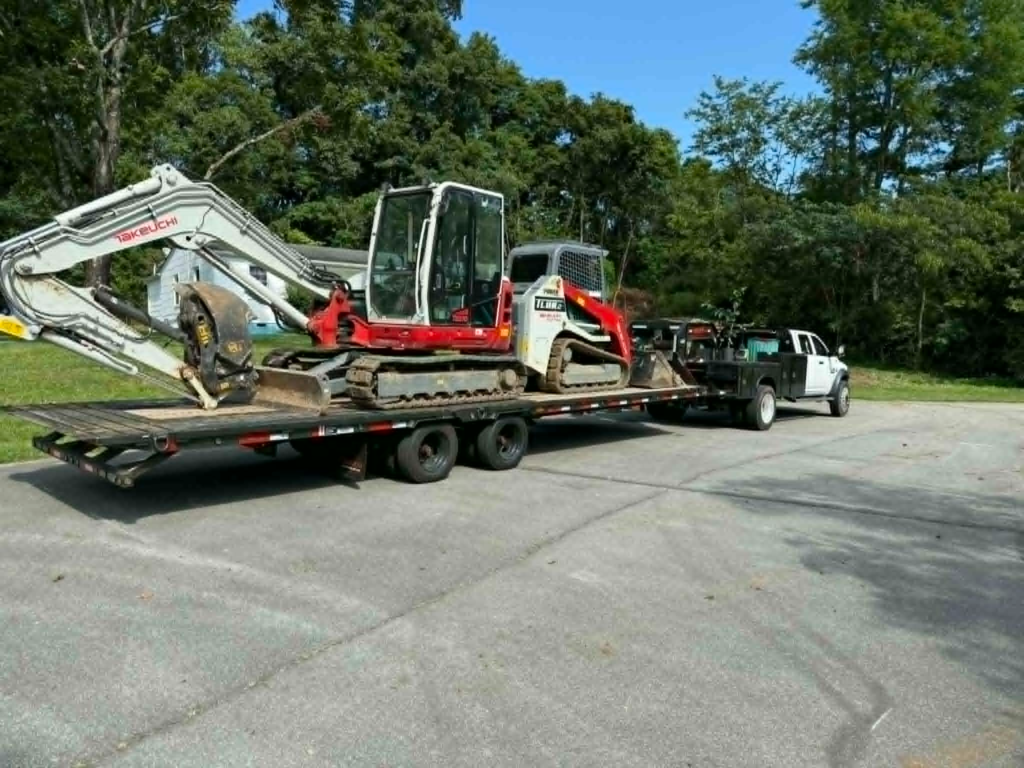
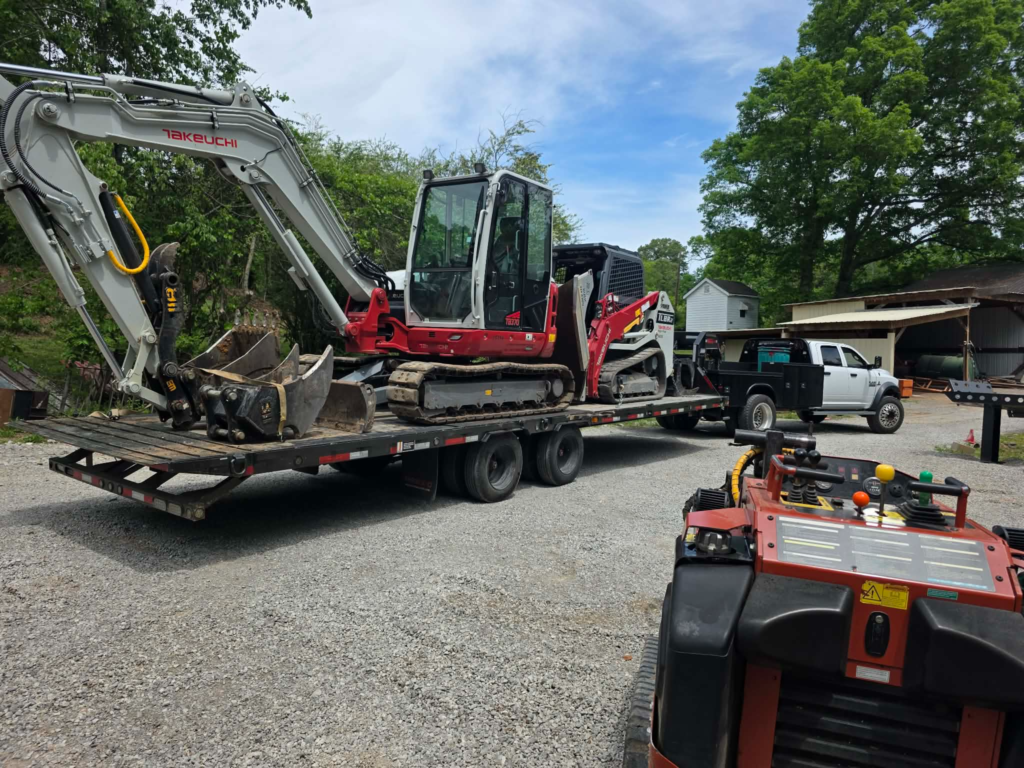
Our current fleet includes Takeuchi mini excavators, a Takeuchi TB370 track excavator, Takeuchi and Ditch Witch track loaders, a Fecon forestry mulching head, multiple wood chippers, a bucket truck, stump grinders, and trailers for hauling equipment between job sites. We work with Liebherr crane operators locally for crane-assisted removals. It’s a significant investment, and it means we can offer a genuinely wider range of services — including some that most local tree companies in Knoxville simply can’t do.
A Note on Estimates and How We Work
Every job in this gallery started with an estimate visit. We don’t quote tree work over the phone for the same reason a contractor doesn’t quote a renovation without walking the space — there are too many variables that only become visible when you’re standing in front of the tree. Access, lean, proximity to structures, root conditions, soil, surrounding trees — all of it affects the approach and the price.
Estimates are free and there’s no pressure involved. We show up, look at the situation, talk through the options, and give you a written quote. If you want to ask questions about why we’re recommending a particular approach, we’re happy to explain. If you want a few days to think about it, take the time. We’d rather you feel good about the decision than feel rushed into something.
We serve Knoxville TN and the surrounding area including Lenoir City, Oak Ridge, Maryville, Farragut, Powell, Clinton, Sevierville, and across Knox and Loudon County. If you’re on the edge of our service area and not sure whether we cover your location, just call — we’ll tell you honestly.
Our full list of services includes tree removal, emergency tree service, lot and land clearing, crane-assisted removal, tree trimming and pruning, stump grinding, right-of-way clearing, creek and waterway debris removal, and firewood sales. If something you’re dealing with isn’t on that list, call anyway — we may be able to help or point you toward someone who can.
We give free estimates across Knoxville TN, Lenoir City, and East Tennessee. No obligation, no pressure — just an honest look at your situation and a clear quote.