Year-Round Tree Care Calendar for East Tennessee Homeowners
Most tree care problems in East Tennessee are not caused by ignorance. They are caused by good intentions applied at the wrong time. Pruning that would have been perfect in January turns disastrous in June. Fertilizer that would have helped in September burns roots in July. Watering that saves a tree in August makes it worse in November. The right action at the wrong time is often as harmful as no action at all.
This calendar is designed to fix that. It walks through the entire year of tree care East Tennessee homeowners actually deal with, month by month, with the specific tasks that matter and the specific mistakes to avoid. It draws on years of experience across Knox County, Loudon County, and Blount County, and it accounts for the specific quirks of our regional climate.
Whether you are new to homeownership in Knoxville, new to caring about your trees, or just want a reference you can pull up every few months, this guide gives you the timing that keeps trees healthy and safe. Our team at Whites Tree Services built this from what we see homeowners get right (and wrong) every year across the region.
Save this page. Print it if you want. Come back to it seasonally. The trees on your property will thank you.
Why Timing Matters More Than Anything Else in Tree Care
Trees have a rhythm. They wake up in spring, grow through summer, prepare for winter in fall, and rest through the cold months. Every biological process in the tree, from sap flow to leaf development to wound healing to root growth, ties to that rhythm. When you work with the rhythm, small efforts produce big results. When you work against it, big efforts can cause big damage.
A pruning cut made in January heals fast in spring because the tree is about to pour resources into new growth. The same cut made in July may take years to close and can introduce disease. A tree planted in October has all winter to develop roots before facing summer heat. The same tree planted in June often dies before it can establish a root system large enough to survive its first drought.
Learning the rhythm is not complicated. It just requires accepting that trees do not care what is on your weekend to-do list. They respond to conditions, and the results reflect timing more than effort.
Understanding East Tennessee’s Growing Rhythm
East Tennessee has a specific tree care calendar that does not perfectly match generic gardening advice. Here is what makes our region distinct.
Long Growing Season
Knoxville’s growing season typically runs from mid-April through late October. Trees start showing bud swell in March. Full leaf-out happens in April. Growth continues actively through June. July and August are stress-management months. Trees start preparing for dormancy in September. Leaves drop through October and November. Full dormancy lasts December through February.
Two High-Stress Windows
Trees face concentrated stress twice a year in East Tennessee. Late spring frost cycles (“Dogwood Winter”) can damage new growth in April. Extended dry stretches in July and August drain soil moisture and stress root systems. Both windows require specific management attention.
Storm Season
Peak severe weather runs March through July. Knoxville averages dozens of severe thunderstorm warnings per year, plus the occasional tornado and derecho. Trees that were not structurally maintained heading into storm season are the ones that fail during it.
The Oak Wilt Window
Nitidulid beetles that spread Oak Wilt are active in Knox County from roughly April through July. Any pruning cuts on oaks during this window can invite fatal infection. This dramatically shapes the annual pruning calendar for anyone with oaks on their property.
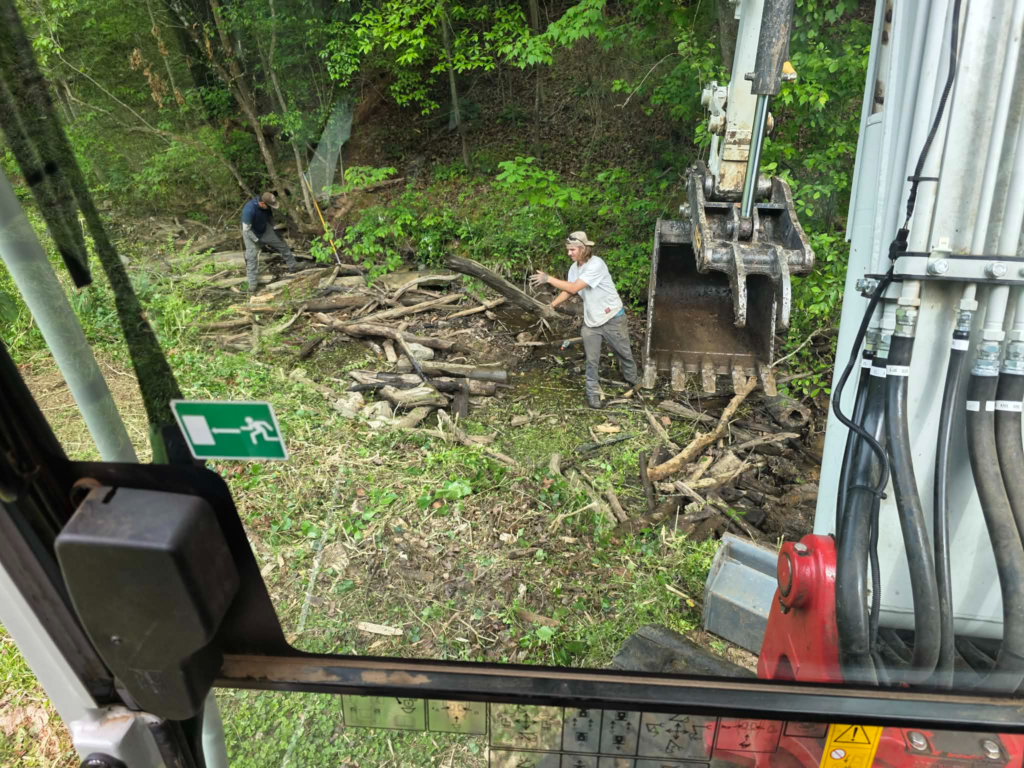
Winter (December to February): Structural Work and Planning
Winter is the most productive tree care season in East Tennessee, and it is criminally underused by most homeowners. Cool temperatures, minimal disease pressure, dormant trees, and clear branch visibility make this the gold standard window for major work.
December Tasks
- Complete any storm cleanup from late fall wind events.
- Walk the property and identify trees needing attention. Take photos of concerns.
- Schedule professional tree work for January or February to lock in dates before spring bookings fill up.
- Add fresh mulch layer if needed to insulate roots ahead of hard freezes.
January Tasks
- Prime month for major structural pruning on most deciduous trees.
- Remove dead, diseased, and dangerous branches.
- Correct structural defects: crossing branches, weak V-crotches, competing leaders.
- Prune ash trees, oaks (heavy work is safest here, well outside Oak Wilt window), maples (before sap starts rising), hickories, and most other hardwoods.
- Inspect trunk wraps or protective materials on young trees.
February Tasks
- Continue pruning work. Aim to wrap most major structural work by end of month.
- Watch for early bud swell that indicates the pruning window is closing.
- Plan spring plantings. Order bare-root stock if going that route.
- Late-month is the last window for heavy pruning on maples before sap flow becomes an issue.
Why Winter Pruning Works So Well
With leaves gone, arborists can see the actual branch structure clearly. Dormant sap flow means cleaner cuts and less bleeding. Insect activity is minimal. Fungal spore pressure drops in cold weather. Cuts made in January have all of spring’s growth energy directed toward wound healing. Our guide on tree trimming vs pruning explained gets into the science of why winter timing produces the best results.
Winter Don’ts
- Do not prune spring-flowering trees (dogwoods, redbuds, forsythia) heavily in winter, or you will remove this year’s flower buds.
- Do not fertilize dormant trees. Wait until active growth resumes.
- Do not plant when the ground is frozen or waterlogged.
Spring (March to May): Wake-Up, Recovery, and Growth Support
Spring is the recovery and growth window. Trees are pushing new leaves, sending sap up from roots, and starting the annual growth cycle. Your job is supporting that process without disrupting it.
March Tasks
- Refresh mulch. Reapply the 3-3-3 pattern (3 inches deep, 3 feet wide, 3 inches away from trunk).
- Inspect trees for winter damage: cracked branches, frost damage, wildlife damage.
- Water any newly planted or recently transplanted trees if rainfall is limited.
- Watch for signs of overwintering pests (scale insects, egg masses) and treat with dormant oil if needed.
- Last window for planting bare-root stock before bud break.
April Tasks
- Prune spring-flowering trees (dogwoods, redbuds, forsythia, ornamental cherries) right after they finish blooming.
- STOP heavy pruning on oaks. Oak Wilt window is active from now through July.
- Complete a spring tree care checklist walk-through of the entire property before storm season peaks. This is critical.
- Watch for late frost events and cover vulnerable new growth on ornamentals if a hard freeze is forecast.
- Continue watering newly planted trees weekly.
May Tasks
- Monitor for early season pests: aphids, tent caterpillars, bagworms.
- Inspect canopies for leaf spot diseases, anthracnose, and other fungal issues that emerge in humid weather.
- Continue deep watering on new plantings and stressed trees.
- Complete any remaining spring pruning of non-oak species.
- Storm season is peaking; watch for damaged branches and address quickly.
Spring Don’ts
- Do not prune oaks between April and July. Oak Wilt risk is real and lethal.
- Do not heavily fertilize. Slow-release nitrogen is fine if a soil test indicates it, but heavy fertilization pushes weak growth that fails in summer heat.
- Do not remove more than 25 percent of any tree’s canopy during a single pruning session.
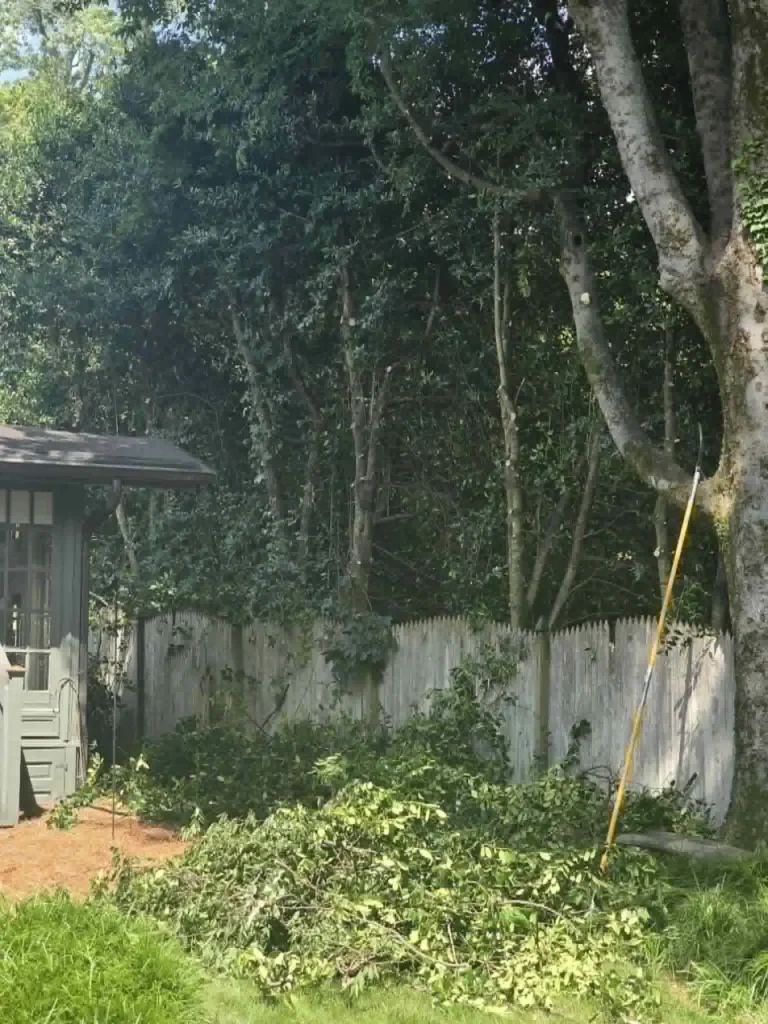
Summer (June to August): Survival Mode
Summer is the maintenance and monitoring season, not the growth support season. Trees are under real environmental stress from heat, humidity, and often drought. Your job is helping them survive without adding to their workload.
June Tasks
- Deep water any recently planted or stressed trees weekly. Use a soaker hose or slow trickle at the drip line for 45 minutes.
- Monitor for insect damage: Japanese beetles, borers, spider mites, bagworms.
- Inspect the canopy after any severe thunderstorms. Address broken branches promptly.
- Maintain the mulch ring. Check that it has not been washed thin by heavy rains.
- Absolutely no pruning of oak trees. Oak Wilt beetles are peak active.
July Tasks
- Peak drought stress window. Deep water established trees during any dry stretch longer than 10 days.
- Watch for wilting, leaf scorch, and early color change. All are stress signals.
- Check mulch depth. Refresh if it has dropped below 2 inches.
- Continue pest monitoring. Southern Pine Beetle is active on stressed pines. Bagworms peak on evergreens.
- Do not fertilize. Nitrogen in July burns roots and creates more problems.
August Tasks
- Continue deep watering during dry stretches. This is the highest-value single action you can take for trees in August.
- Monitor for late-summer diseases: powdery mildew, anthracnose, leaf spots.
- Address any storm damage from summer thunderstorms.
- Start planning fall plantings. Order stock from nurseries for October planting.
- Watch for early signs of drought-related decline that may need professional attention.
Summer Don’ts
- Do not do heavy pruning in summer. Cuts heal poorly, disease pressure is high, and trees are already stressed.
- Do not plant new trees. Heat stress on unestablished root systems is often fatal.
- Do not fertilize. Wait for cooler weather.
- Do not water lightly and frequently. Deep infrequent watering is what actually helps.
Fall (September to November): Planting and Preparation
Fall is the most underrated tree care season in East Tennessee. Cool air temperatures with still-warm soil create ideal conditions for root growth. This is the best time of the year to plant new trees, and the ideal window for pre-winter maintenance.
September Tasks
- Continue deep watering if the summer drought is extending into fall.
- Inspect trees for overall health after summer stress. Note anything that needs professional evaluation.
- Begin planning any structural pruning for winter dormancy.
- Late September is the start of the fall planting window. Cooler temperatures and moderate rainfall favor root establishment.
- Watch for early signs of disease as humidity remains high.
October Tasks
- Peak fall planting window. Native trees planted now have all winter to develop roots.
- Rake fallen leaves and dispose of any showing signs of disease (anthracnose, leaf spots, mildew). Do not compost diseased leaves.
- Continue watering newly planted trees weekly.
- Inspect trees for structural issues before winter storms. Trees that lost limbs in summer may need attention.
- Refresh mulch on all trees.
November Tasks
- Complete fall planting by mid-month if possible.
- Give newly planted trees a final deep watering before the ground freezes.
- Give all trees a final deep watering if fall has been dry.
- Rake and remove remaining fallen leaves.
- Schedule winter pruning appointments before crews book up.
- Install trunk guards on young or thin-barked trees to prevent winter rodent damage.
Fall Don’ts
- Do not fertilize late in fall. New growth stimulated too late in the season cannot harden off before hard freezes.
- Do not prune heavily. Wait for full dormancy.
- Do not leave diseased leaves under trees. Fungal spores overwinter and re-infect in spring.
Rules That Apply Year-Round
Some tree care principles do not care what month it is. These apply every day of every year.
Dead Wood Comes Off Whenever
The one exception to seasonal timing rules is dead branches. They can be safely removed any month of the year. Dead wood serves no biological function, so removing it does not stress the tree. In fact, leaving dead wood invites pests and disease, so getting it off is always the right call.
Storm Damage Requires Immediate Response
Any tree damaged in a storm gets professional attention as soon as possible, regardless of season. Waiting to “do it right” during dormancy can turn a fixable tree into a removal job. Deal with damage now, not later.
The 3-3-3 Mulch Rule Never Changes
Three inches deep, three feet wide, three inches away from the trunk. Applies to every tree, every season. Refresh mulch as it decomposes.
Deep Watering Beats Shallow Watering Every Time
When trees need water, deep infrequent soakings build stronger root systems than daily shallow watering. Applies year-round, though the frequency changes with the season.
Get Professional Assessments Before Problems Get Bigger
An annual tree assessment in Knoxville catches problems while they are still fixable. Ignoring symptoms rarely makes them go away.
The Oak Wilt Window (April to July): Critical Safety Notes
This deserves its own section because getting it wrong can kill valuable trees.
Oak Wilt is a lethal fungal disease that spreads through sap-feeding beetles called Nitidulids. These beetles are attracted to fresh tree wounds, and they can transfer the fungus from infected trees to healthy ones. In Knox County, the beetles are active roughly from April through July.
The rule: Do not make any pruning cuts on oak trees between April and July unless absolutely necessary. If emergency work must be done during this window, professional crews immediately seal the wounds with tree paint to block beetle access. This is one of the very few times sealing a wound is actually beneficial.
Red Oaks (including Pin Oaks, Scarlet Oaks, and Northern Red Oaks) are the most susceptible. Once infected, a healthy Red Oak can die within a single growing season. White Oaks are more resistant but not immune.
| Oak Pruning Timing Cheat SheetNovember through March: Safe pruning window. Schedule all planned oak work here.April through July: Do not prune oaks unless emergency requires it.August through October: Transitional. Light corrective work only. Wounds should still be sealed if made during warm weather.Anytime: Dead wood removal is fine, but seal cuts if temperatures are warm. |
Species-Specific Timing Notes
Different trees have different rhythms. Here are the key exceptions to the general calendar.
Maples (Silver, Red, Sugar)
Prune in mid to late summer if avoiding sap bleeding is a priority. Winter pruning right before spring sap flow causes heavy bleeding that is unsightly but not usually harmful to the tree. If aesthetics matter, wait until leaves are fully out.
Spring Bloomers (Dogwoods, Redbuds, Ornamental Cherries, Forsythia)
Prune immediately after flowering finishes. Pruning in winter removes this year’s flower buds. Wait until the flower show is over, then shape as needed.
Fruit Trees
Late winter (February to early March) is ideal for structural pruning to promote fruit production. Summer pruning helps control size and improve airflow.
Evergreens (Pines, Cedars, Junipers)
Light shaping and maintenance can happen most of the growing season. Avoid heavy pruning in late fall, which stimulates new growth that cannot harden off before winter.
River Birch
Prune in summer or fall to avoid heavy sap bleeding common with winter cuts. Sap flow from wounds is heaviest in late winter and early spring.
Crape Myrtles
Light pruning to remove seed pods and improve structure works in late winter. Avoid the aggressive “crape murder” topping that has become sadly common. Improved pruning technique yields better blooms with less damage to the tree.
Common Timing Mistakes to Avoid
Here are the timing errors we see most often in East Tennessee yards.
Pruning Oaks in Summer
The worst single mistake. Can kill an otherwise healthy Red Oak within a single season. If you take one thing from this guide, take this: no oak pruning between April and July unless it is an emergency.
Fertilizing Stressed Trees in July
Every summer, homeowners see stressed trees and reach for fertilizer. Fertilizer in July forces weak growth that a compromised root system cannot support, worsening the stress. Wait for cooler weather and stable conditions.
Pruning Spring Bloomers in Winter
Removes this year’s flower buds. Wait until after flowering finishes. Every spring we hear from disappointed homeowners whose “cleaned up” dogwoods produced no blooms.
Planting Trees in June
Heat stress on new plantings is often fatal. Fall (October to November) and early spring (February to March) are the only windows for planting most trees in Knoxville.
Watering Lightly Every Day
Shallow daily watering creates shallow root systems that fail during drought. Deep weekly soakings build resilient trees.
Mulch Volcanoes Applied Every Spring
Applying mulch is good. Applying mulch piled high against the trunk is one of the top three causes of long-term tree decline in Knoxville. The 3-3-3 rule is not optional.
Quick-Reference Monthly Checklist
Cut this out. Tape it to your garage. Refer to it every few months.
JANUARY-FEBRUARY
- Major structural pruning of most deciduous trees (except spring bloomers).
- Prune oaks safely during dormant window.
- Plan spring plantings, schedule professional work.
MARCH
- Refresh mulch. Inspect for winter damage.
- Water any newly planted trees. Last bare-root planting window.
APRIL
- Prune spring bloomers after flowering. Stop oak pruning.
- Complete comprehensive spring tree assessment before storm season.
MAY
- Monitor pests and diseases. Storm damage response.
- Continue watering new plantings.
JUNE-AUGUST
- Deep water established trees during drought. No oak pruning.
- Monitor for stress, pests, disease. Respond to storm damage.
- No fertilizing. No heavy pruning.
SEPTEMBER
- Assess post-summer tree health. Begin fall planting.
OCTOBER
- Peak fall planting month. Rake and dispose of diseased leaves.
- Water new plantings weekly.
NOVEMBER
- Complete plantings. Final deep watering before freeze.
- Schedule winter pruning work.
DECEMBER
- Walk property, identify winter pruning priorities.
- Mulch refresh if not done in fall.
Frequently Asked Questions
When is the absolute best time to prune trees in East Tennessee?
Late January through early March, for most deciduous trees. Dormant season, minimal disease pressure, clear branch visibility, fast wound healing when spring growth resumes. Exceptions: spring-flowering trees get pruned right after blooming, and oaks avoid the April-July window.
Can I prune trees any time of year if I need to?
Dead branches, yes, anytime. Living branches, only if necessary. Emergency work (safety hazards, storm damage) trumps seasonal timing. Routine work should follow the calendar.
How often should established trees be pruned?
Depends on species. Fast-growing shade trees (Silver Maple, Willow Oak): every 2 to 3 years. Slower species (White Oak, Sugar Maple): every 4 to 5 years. Ornamentals (Dogwoods, Redbuds): every 3 to 4 years.
Do I really need to water established trees?
Usually no, but yes during extended droughts (4+ weeks with under an inch of rain). Even mature trees benefit from deep watering during real drought conditions. Every few years, Knoxville has a summer that requires supplemental watering on established trees.
When should I plant new trees in Knoxville?
Fall (October to early December) is best. Early spring (February to March) is second best. Avoid summer planting. Both fall and early spring give roots time to establish before facing weather extremes.
Is there ever a good time to fertilize trees?
Early spring (April, after leaf-out) or late fall (November, after leaf drop) work best for established trees. Only fertilize if a soil test indicates deficiency. Random fertilization can cause harm.
What if I miss a seasonal window? Can I catch up?
Sometimes. Missing the winter pruning window means waiting a full year for the next opportunity on most species. Missing the fall planting window can be recovered in early spring. Missing summer watering can push a stressed tree into decline. In general, doing tree care at the right time next year is better than doing it at the wrong time now.
How much does professional tree care cost annually?
For a typical residential property in Knoxville, an annual maintenance program (documented inspection plus scheduled pruning as needed) runs $400 to $1,500 per year depending on tree count and complexity. Compared to the cost of emergency work or tree failures, it is a bargain.
Do I need a professional or can I do this myself?
Deep watering, mulching, small pruning (branches under 4 inches you can reach from the ground), and inspection are all DIY-friendly. Anything requiring a ladder or chainsaw work above shoulder height should be professional. Tree work is one of the most dangerous jobs in the country for a reason.
Building Your Own Personal Tree Care Calendar
Every property is a little different. The trees you have, the conditions they grow in, and your specific goals all shape what your calendar should actually look like.
Here is how to personalize this guide for your yard:
- Inventory your trees. List each significant tree by species (or best guess). Species drives most timing decisions.
- Identify your problem trees. Any tree that is stressed, damaged, or in decline needs extra attention. Flag it.
- Note the sites. Sunny slopes have different needs than shady wet spots. Match care to conditions.
- Set annual anchor points. A spring walkthrough in April, a fall walkthrough in September, and one professional assessment per year covers most bases.
- Schedule professional work in the off-seasons. December-February pruning appointments book fast; get on the calendar early.
Our team helps homeowners across the Knoxville metro build sustainable, low-hassle tree care plans that fit their properties and budgets. We serve Knox County, Loudon County, Blount County, Farragut, Lenoir City, and Maryville. If you want a professional walkthrough and honest assessment of your property, we offer free tree service estimates for Knoxville TN homeowners.
For a deeper dive on individual seasonal tasks, our spring tree care checklist walks through the most important spring maintenance in detail. And for the pruning technique that saves trees, tree trimming vs pruning explained covers what proper cuts look like and why timing matters.
Give us a call at (423) 519-7484 any time. The trees on your property are either aging gracefully or falling apart slowly. Which one they are depends on how you spend the next twelve months. Make it count.